Give the finish a clearer place to reflect.
Paint correction is for vehicles where swirls, scratches, water spotting, or other visible defects distract from the depth and gloss already in the paint.
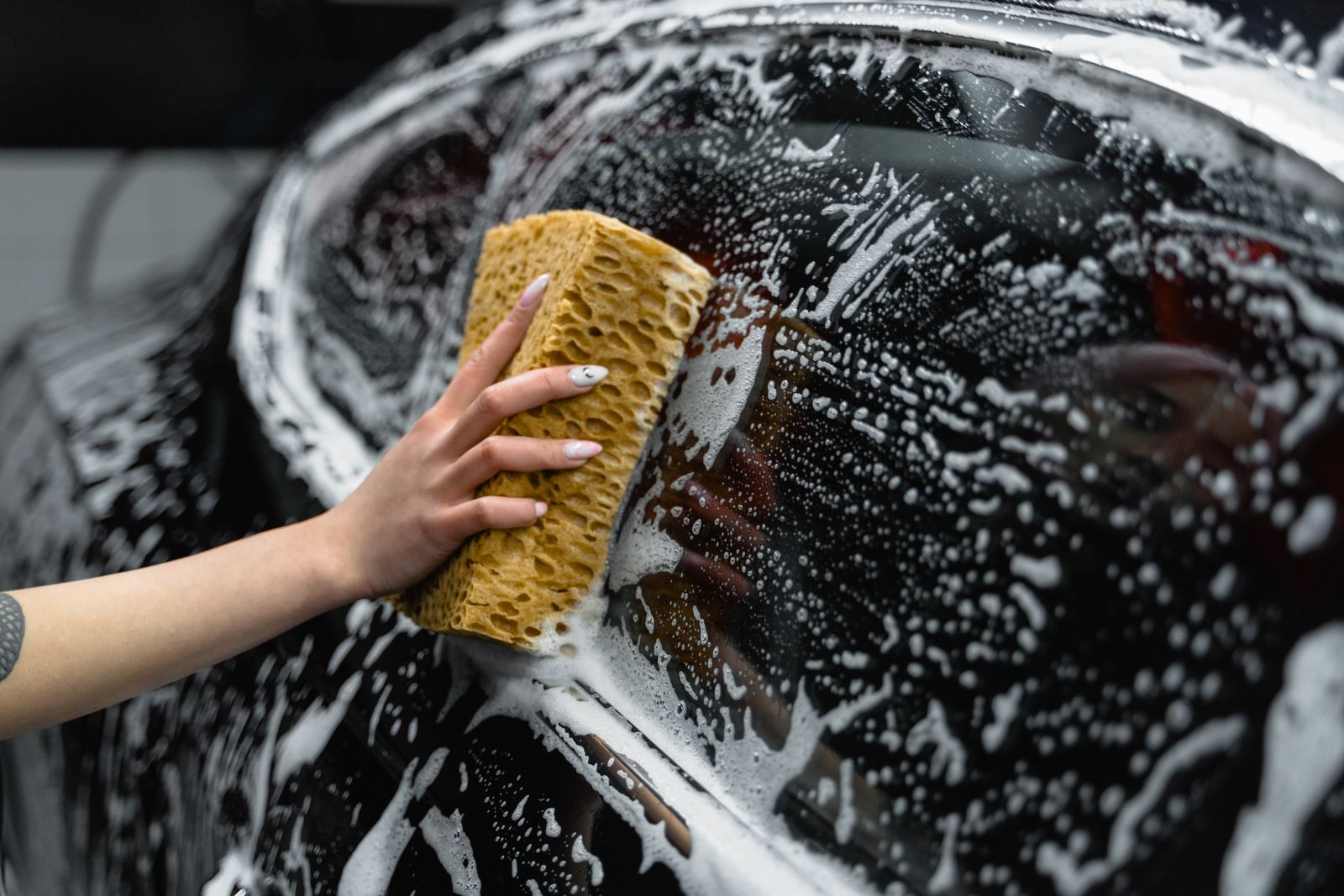
Cleaning a surface and refining it are different jobs.
A wash can remove grime. It does not necessarily change the way minor defects scatter light across a painted panel. Correction work focuses on the appearance of that surface: evaluating what is visible, preparing the paint, and working carefully toward a clearer finish.
- Swirl marks may become obvious in sun or strong lighting
- Light scratches and water spotting can interrupt gloss
- Paint condition varies panel by panel and vehicle by vehicle
Work from what the paint is showing.
Discuss the finish.
Share pictures when possible and describe when the defects are most noticeable. This helps set a useful starting conversation.
Prepare before refining.
Paint correction needs a clean, considered surface. The detail process and the correction conversation work together, not as unrelated steps.
Plan the aftercare.
Improved paint still needs sensible wash habits. Ceramic coating may be worth discussing as a separate protection-minded next step.
The goal is an honest improvement.
Every paint system, defect type, and prior history is different. Full Throttle ATL should review the vehicle’s condition before confirming an outcome. That approach is more useful than generic promises, because it keeps the work connected to what your paint can realistically show.
Describe the defects you notice.
Call or text with the vehicle details and your priority areas. Full Throttle ATL can guide the conversation toward detailing, correction, or coating care.