What Is Brake Dust?
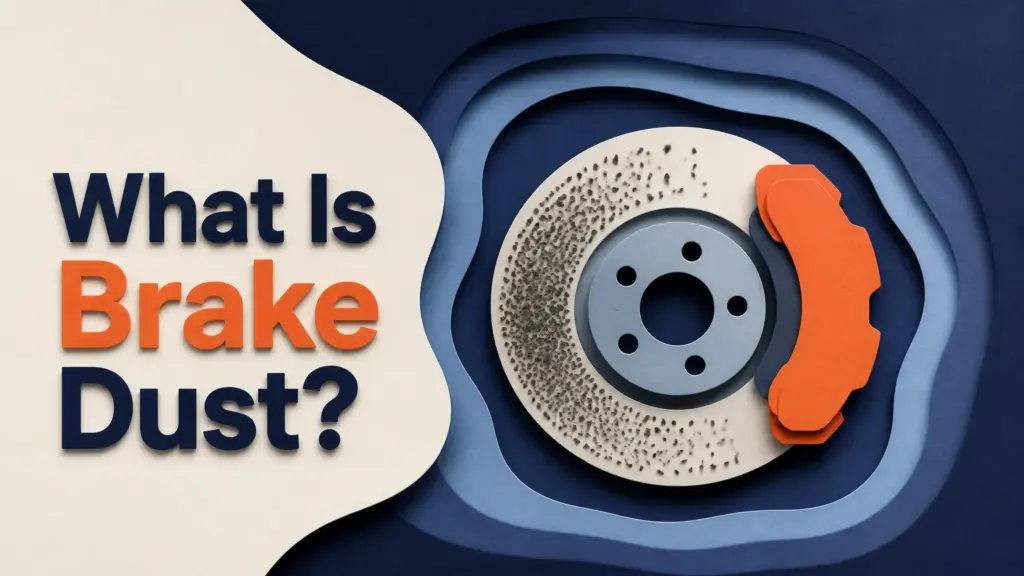
Brake dust is a dark, highly adhesive particulate residue created by mechanical friction between vehicle brake pads and iron rotors during stopping. It consists of elemental iron, carbon, copper, friction modifiers, and burned polymer resins that electrostatically bond to vehicle wheels and surrounding components under high operating temperatures. How Does Friction Create Brake Dust? Brake […]
How Long Does a Fuel Filter Last? (And How to Replace It)
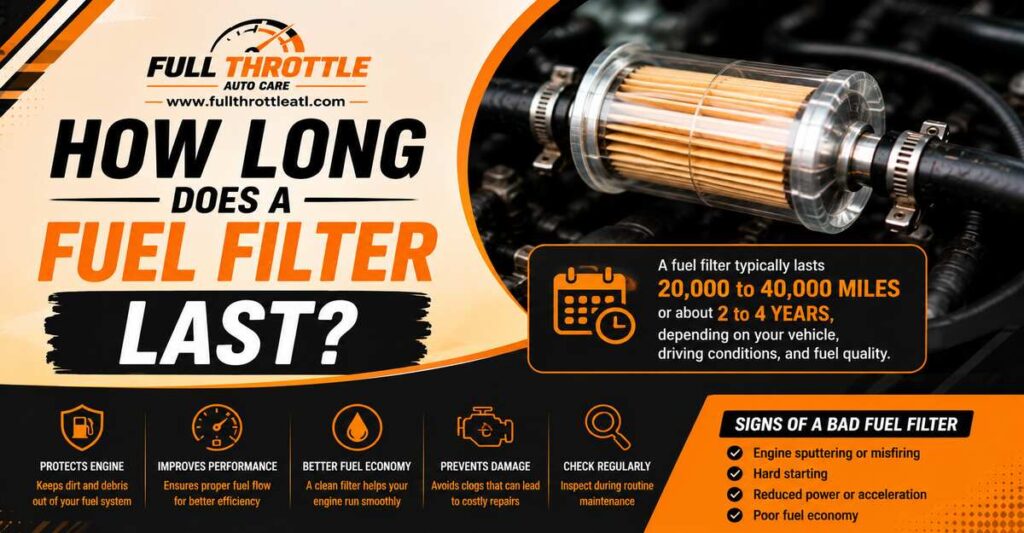
Knowing exactly how long does a fuel filter last-typically 20,000 to 40,000 miles for inline units—prevents stalling and costly fuel pump failure. You can safely replace an inline filter yourself in six straightforward steps taking roughly 60 minutes, with your success largely depending on fully relieving fuel system pressure before disconnecting any lines. Phase 1: […]
How to Check Brake Pads Without Removing Wheel
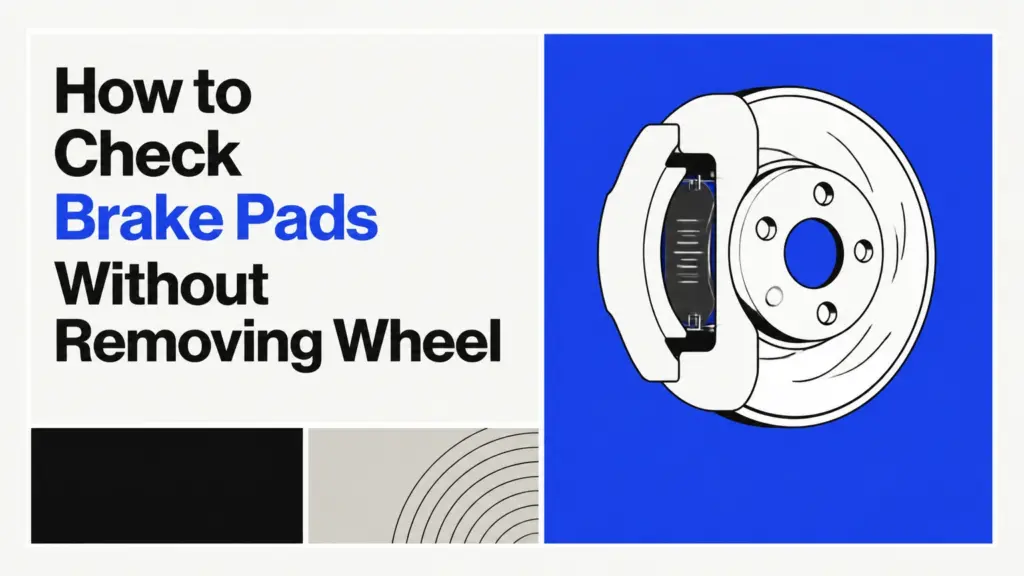
Checking your vehicle’s brake pad thickness through the wheel spokes is a fast, tool-light maintenance task that takes about 10 to 15 minutes. By positioning your front wheels, illuminating the caliper body through the rim gaps, and measuring only the dark friction material layer—excluding the metal backing plate—you can accurately determine remaining pad life without […]
How Do You Change Brake Fluid?
To change brake fluid, you must remove old fluid from the master cylinder reservoir, top it off with fresh fluid, and sequence-bleed each wheel caliper or cylinder until clean fluid appears without air bubbles. Always maintain the fluid level in the reservoir throughout the process to prevent air locks in the system. What Tools and […]
How to Tell If You Need New Brake Pads
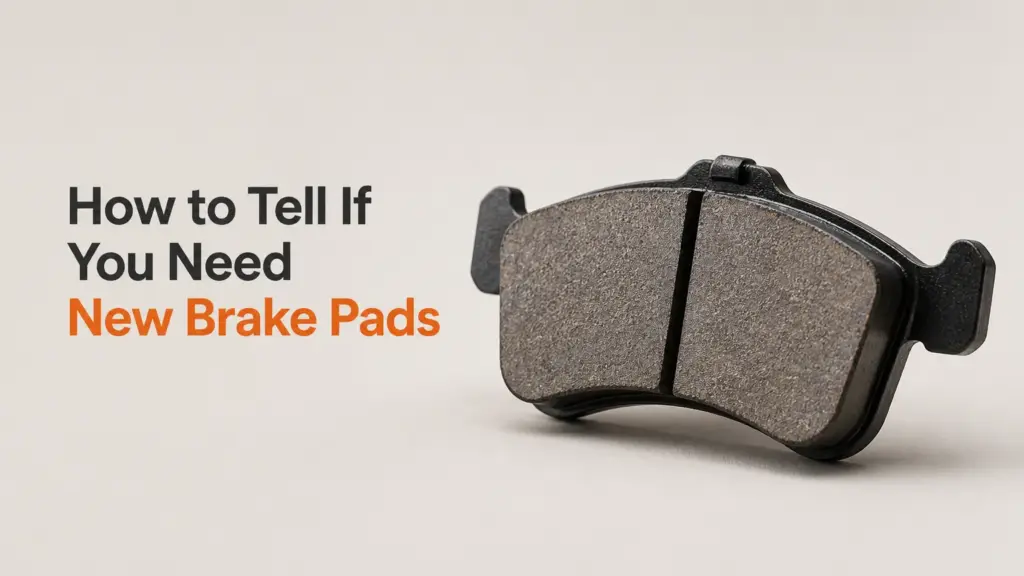
Determining if you need new brake pads requires listening for wear indicators, feeling pedal feedback, and physically measuring the remaining friction material. Following this 7-step diagnostic process takes approximately 45 to 60 minutes, requiring basic hand tools to safely measure whether your pads have reached the critical $3\text{ mm}$ ($1/8\text{ in}$) replacement threshold. The 7-Step […]
What Causes Transmission Problems?
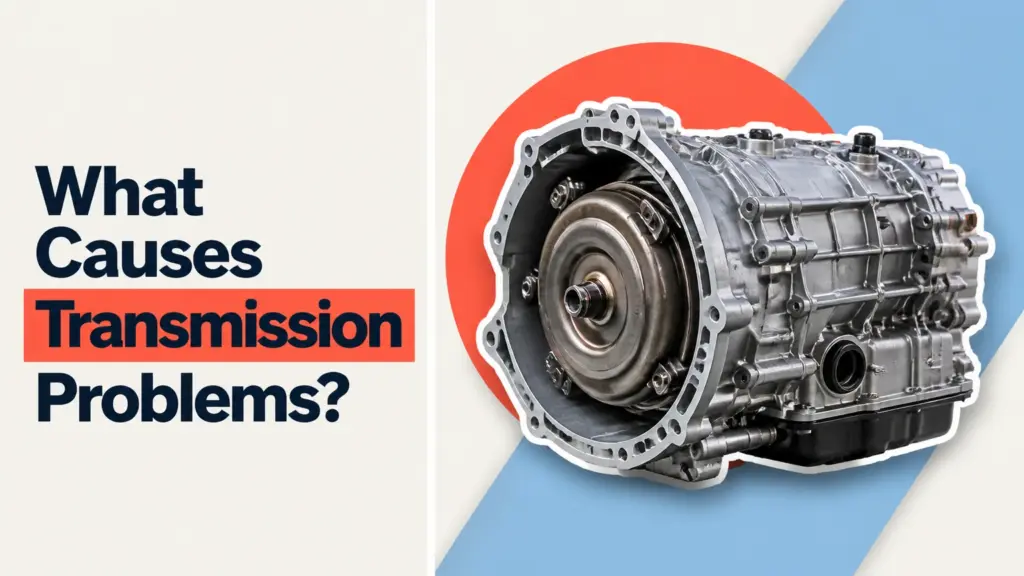
Transmission problems are primarily caused by thermal fluid degradation, internal mechanical friction wear, and electronic control failures. When transmission fluid exceeds its 175°F optimal operating temperature, the fluid loses hydraulic pressure, causing internal seals to shrink, clutch plates to slip, and critical components to permanently fail. At a Glance: Key Transmission Failure Thresholds What are […]
Master How to Install Car Battery Terminals Like a Pro

Have you ever turned your key in the ignition only to hear a frustrating click, or experienced flickering dashboard lights that signal a sudden electrical failure? While many drivers instantly assume they need a brand new battery, the true culprit is often hiding right in plain sight: corroded, loose, or physically damaged battery terminals. Over […]
How to Check Fuel Filter Health
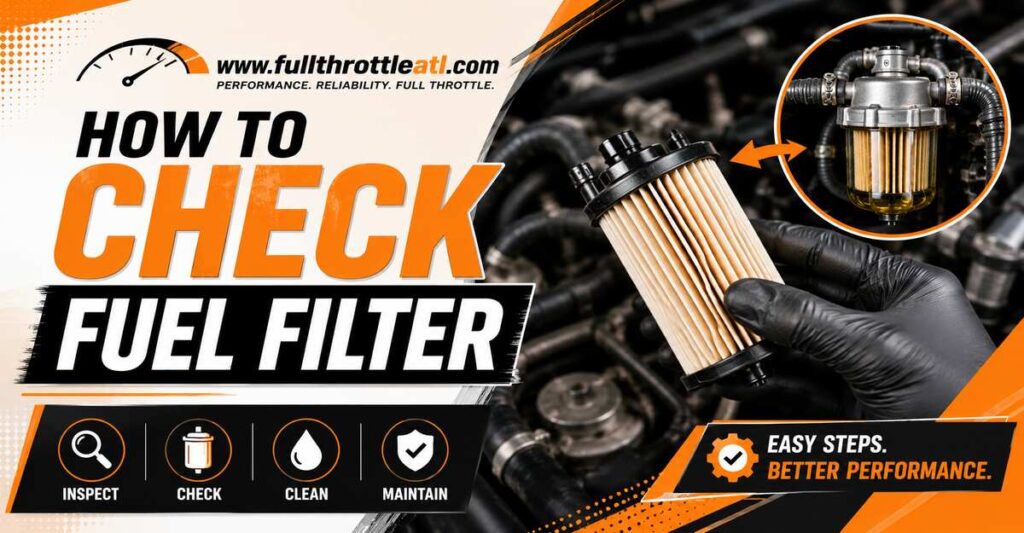
Checking a fuel filter involves testing the unit for internal blockages that degrade engine performance. This 5-step process takes 35 minutes and requires testing in-line pressure, safely depressurizing the system, removing the unit, and performing fluid clarity and bench blow tests. Proper system depressurization determines your safety and success. Before You Start Step 1: Perform […]
Which Is Better: All-Wheel Drive or Four-Wheel Drive?
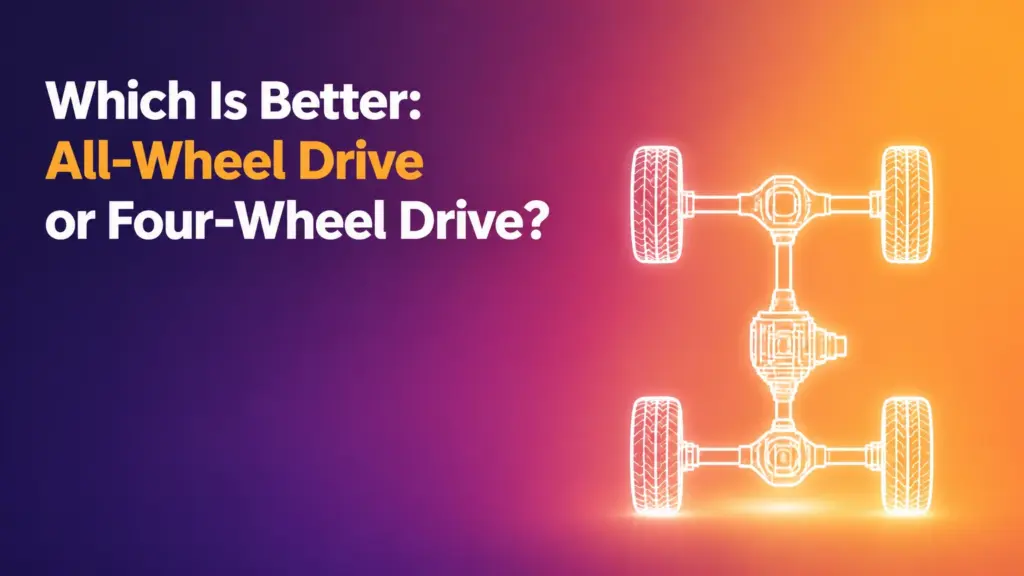
All-Wheel Drive (AWD) is better for daily road commuting, rain, and light snow because it operates automatically with variable torque distribution. Four-Wheel Drive (4WD) is better for extreme off-roading, deep mud, rock crawling, and heavy-duty towing because it mechanically locks axle speeds through a dedicated transfer case with low-range gearing. At a Glance How Does […]
Will Bad Rotors Make Your Car Shake?
Yes, bad brake rotors will make your car shake, causing noticeable vibrations in the brake pedal, steering wheel, or vehicle floorboard when applying the brakes. This shaking occurs when uneven rotor surfaces, Disc Thickness Variation (DTV), or excessive lateral runout force the brake pads to bounce across high and low spots, pushing hydraulic fluid pulses […]