Why Is My Brake Fluid Black?
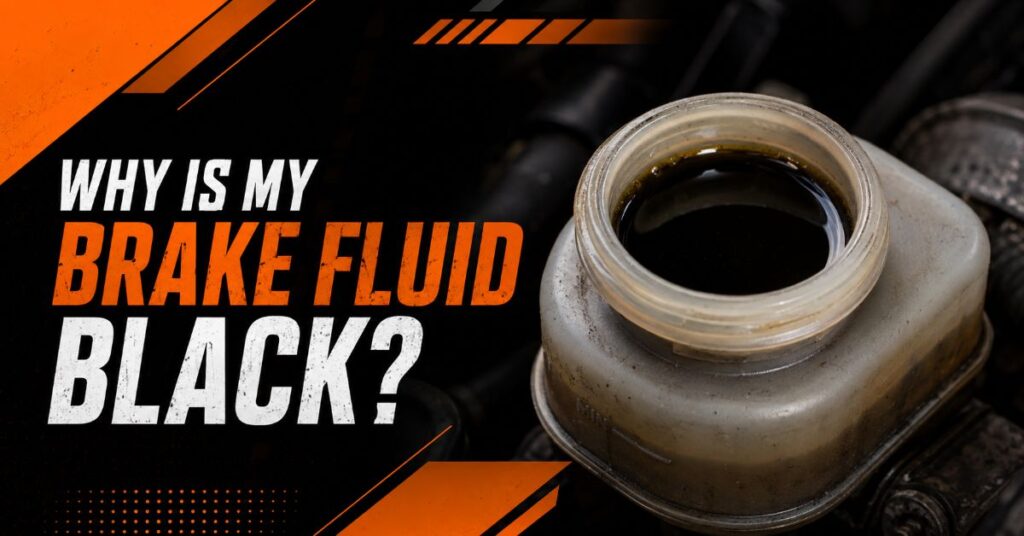
Brake fluid turns black primarily because it has absorbed atmospheric moisture, dissolved microscopic rubber from degrading brake lines, and oxidized copper brazing within metal lines. This darkening signals chemical degradation, reducing the fluid’s boiling point and exposing critical braking components to internal corrosion and potential vapor lock failure. What Does Healthy Brake Fluid Look Like […]
How to Safely Clean Your Car Engine Bay: A Step-by-Step Guide
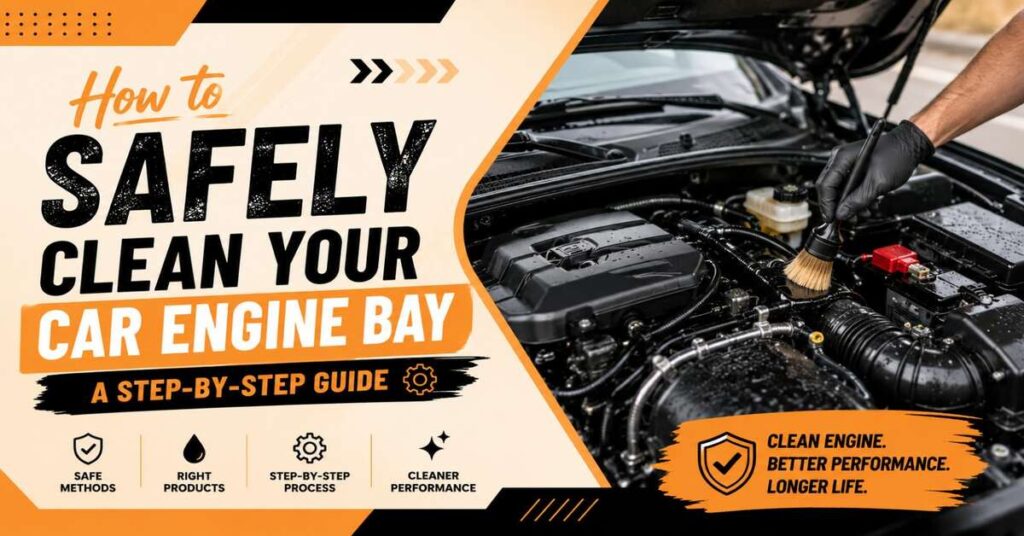
Cleaning your car engine bay involves safely applying an automotive degreaser to a cool engine, agitating built-up grime with soft-bristle brushes, and rinsing with low-pressure water while isolating sensitive electronics. Executing this process prevents premature component degradation, improves engine thermal efficiency, and makes spotting hazardous fluid leaks significantly easier. Key Facts / At a Glance: […]
How Does a Car Get Out of Alignment: Complete Diagnostic Guide
Understanding how does a car get out of alignment requires tracing how sudden road impacts, rubber bushing degradation, and fastener slippage shift your vehicle’s factory geometric tolerances. By completing this 5-step mechanical diagnostic procedure in approximately 45 minutes, you can pinpoint whether your misalignment stems from bent metal, worn ball joints, or slipped cam bolts […]
Why Do Brakes Squeak When Wet?
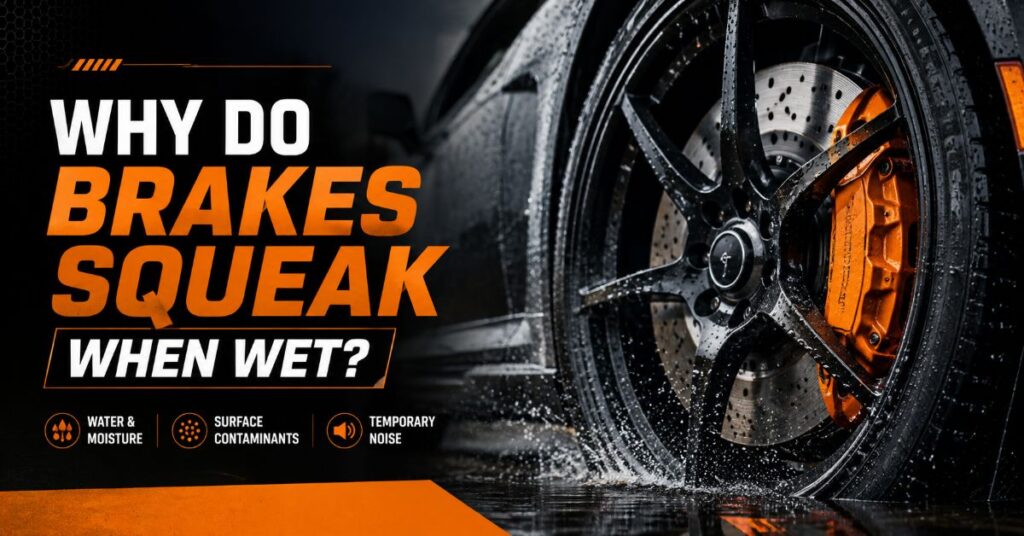
Brakes squeak when wet primarily because a micro-thin layer of flash rust forms on cast iron brake rotors within 15 to 30 minutes of moisture exposure. When the brake pads contact this oxidized layer, the fluctuating coefficient of friction triggers rapid “stick-slip” high-frequency vibrations between 1,000 Hz and 5,000 Hz, producing an audible squeak. At […]
What Does a Spongy Brake Pedal Feel Like?
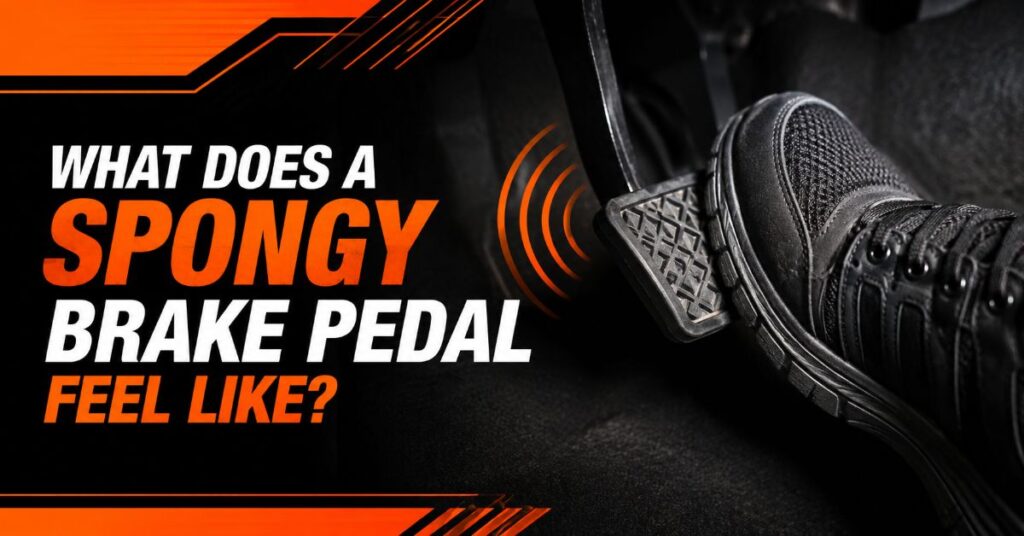
A spongy brake pedal feels soft, springy, and lacking a firm stopping point, requiring you to depress the pedal significantly deeper toward the floorboard to slow the vehicle down. Instead of hitting a solid wall of hydraulic resistance, the pedal yields under foot pressure like stepping on a dense foam block or an underinflated ball. […]
What Does a Misfire Sound Like?
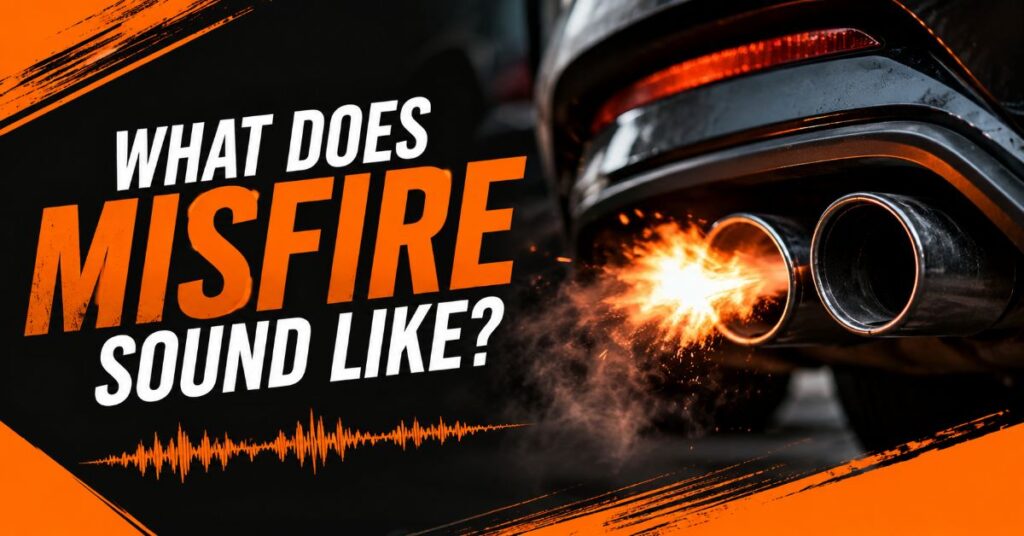
An engine misfire sounds like an irregular sputtering, popping, or deep thumping noise that interrupts the steady, rhythmic hum of a healthy engine. Depending on engine load, a misfire ranges from a soft “purr-cough-purr” at idle to a harsh, chugging, motorboat-like drone under heavy acceleration. At a Glance What Does an Engine Misfire Sound Like […]
What Does the Car Swerve Light Mean?
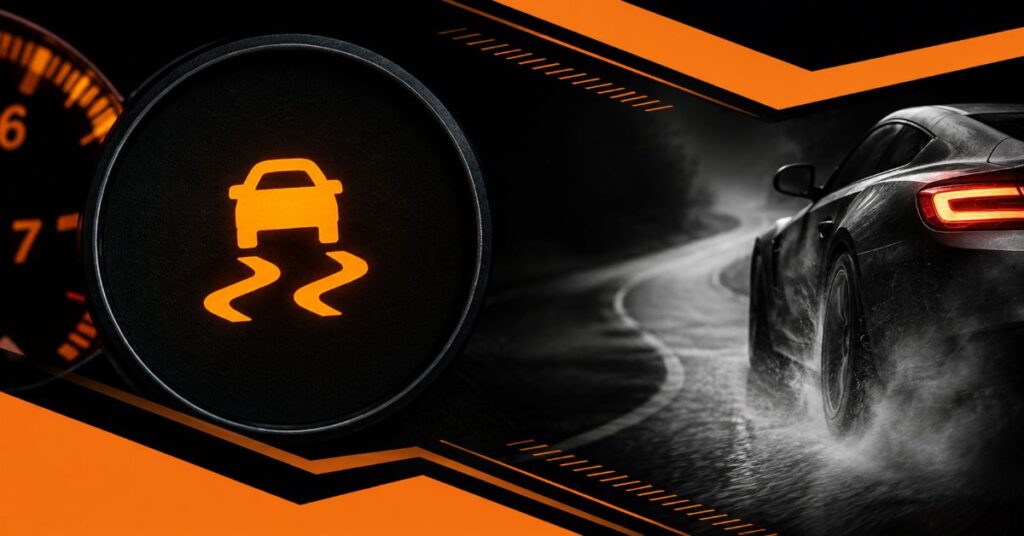
The car swerve light—a dashboard icon depicting a vehicle with two wavy S-shaped skid marks underneath—indicates that your vehicle’s Traction Control System (TCS) or Electronic Stability Control (ESC) is active or disabled. A flashing light signals active skid correction, while a solid light indicates the system is deactivated, disabled, or malfunctioning. At a Glance What […]
What Is Car Battery Voltage? Healthy Ranges & Testing Guide
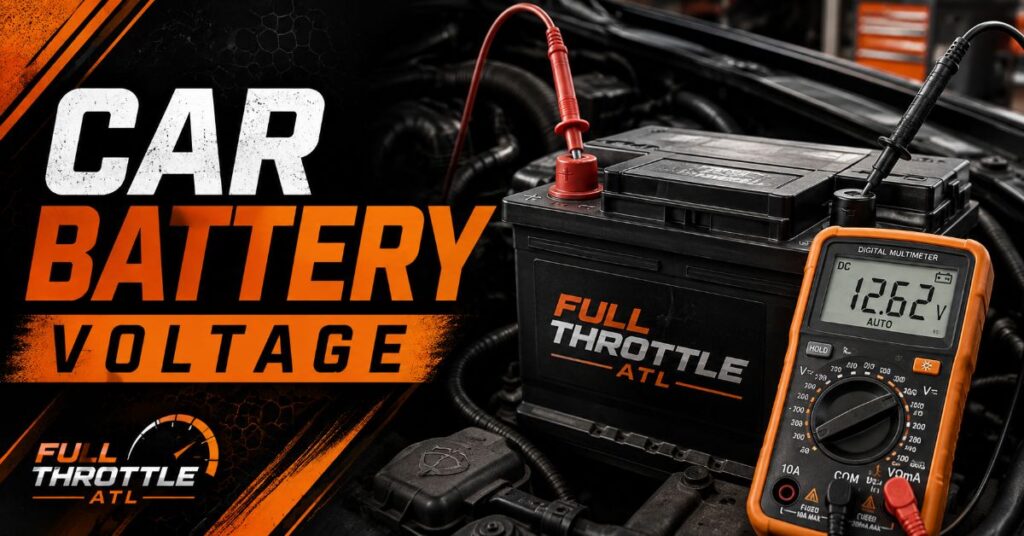
A 12-volt lead-acid car battery voltage is a dynamic electrical measurement representing potential energy across six internal cells, varying from 12.6V to 12.8V when fully charged at rest, 13.5V to 14.5V when the alternator is running, and dropping down to 12.0V when completely discharged. What Is the Ideal Resting Voltage for a Fully Charged Car […]
Will a Bad Catalytic Converter Cause Rough Idle?
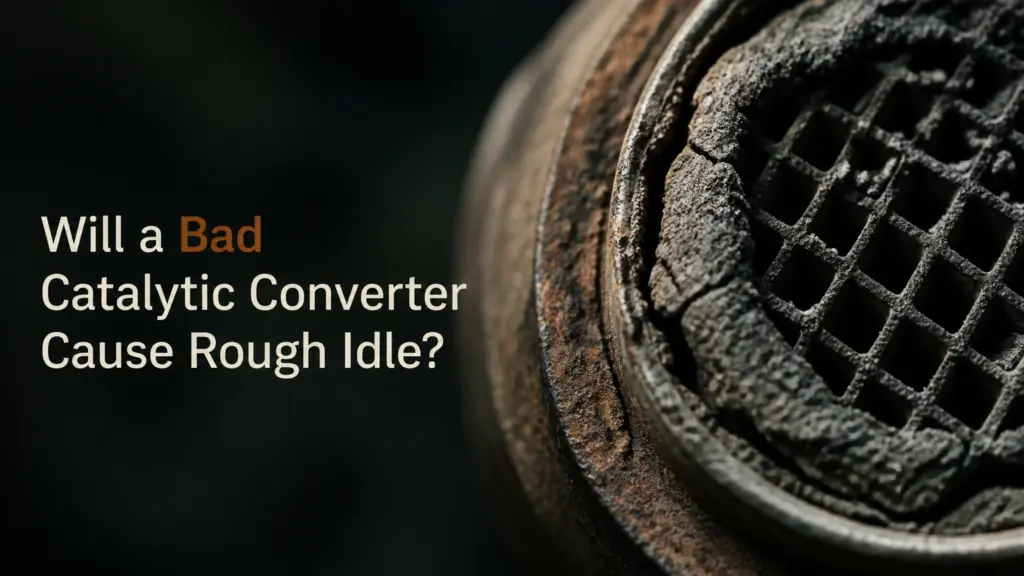
Yes, a bad catalytic converter will cause a rough idle. When internal ceramic substrates melt, fracture, or clog with deposits, exhaust backpressure rises above the normal threshold of 1.5 PSI at idle. This backpressure prevents spent exhaust gases from exiting the cylinders, diluting incoming air-fuel mixtures and triggering engine misfires, erratic RPMs, and severe idle […]
Why Is My Transmission Overheating?
Automatic transmission overheating occurs when transmission fluid loses its lubricating capacity, internal mechanical components generate excessive friction, or cooling system hardware fails under heavy thermal loads. Operating above safe thermal thresholds breaks down fluid viscosity, hardens rubber seals, and burns clutch plates, ultimately causing hydraulic pressure loss and complete transmission failure. What temperature is too […]