What Does It Mean When the Brake Light Comes On?
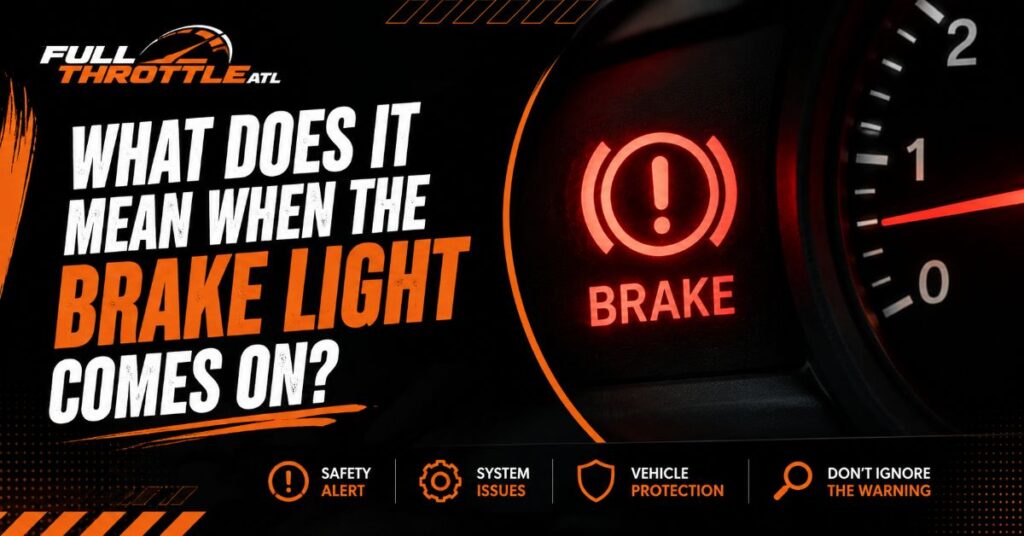
When a vehicle’s dashboard brake light illuminates, the braking system has experienced a critical drop in hydraulic fluid volume, a loss of hydraulic pressure, or an active engagement of the parking brake mechanism. Represented as a red exclamation mark inside a circle (!) or the word BRAKE, this primary safety warning indicates that stopping performance […]
What Happens If a Car Overheats?
When a car overheats, engine temperatures exceed the normal operating range of 90°C to 105°C (195°F to 220°F), causing thermal expansion of internal components, oil breakdown, and metal deformation. Left unchecked, overheating leads to blown head gaskets, cracked engine blocks, warped cylinder heads, and total engine seizure. What Are the Stages of Engine Damage During […]
How to Check Brake Pads Without Removing the Wheel
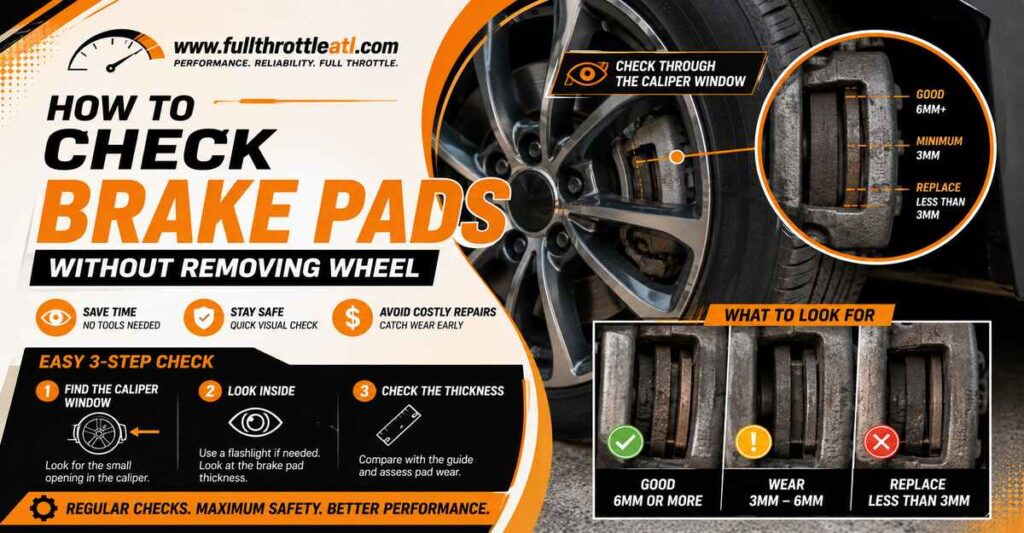
Checking your brake pads without removing the wheel saves you from jacking up the car, requiring only a flashlight and a clear visual line of sight. By completing these six steps to measure the friction material against safety limits, you will know exactly when a replacement is due in under 15 minutes. Lighting angles determine […]
How Do Rotors Get Warped? (Diagnosis and Prevention)
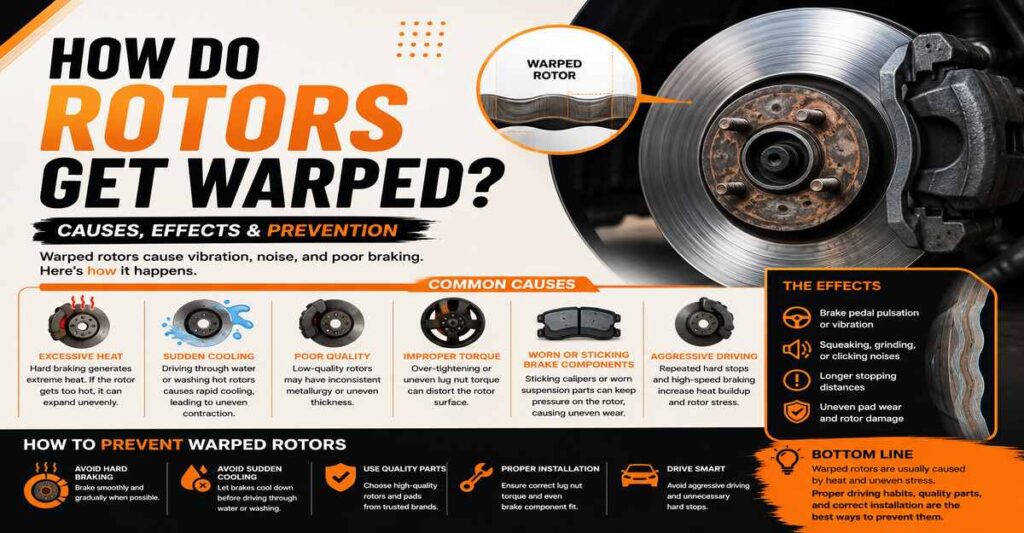
Rotors do not physically bend; they suffer from Disc Thickness Variation (DTV) caused by uneven friction material transfer. This guide explains exactly how do rotors get warped across four degradation stages, followed by precise steps to measure, diagnose, and correct the microscopic high spots causing your steering wheel pulsation. Proper diagnosis takes one hour. Before […]
Why Does My Brake Pedal Go To The Floor?

A brake pedal that goes to the floor indicates a critical loss of hydraulic pressure or a mechanical failure in the vehicle’s braking system. This sudden pressure drop is primarily caused by an internal master cylinder bypass, an external brake fluid leak, or aerated brake fluid boiling inside the lines. At a Glance: Key Braking […]
How to Tell If a Brake Rotor Is Bad
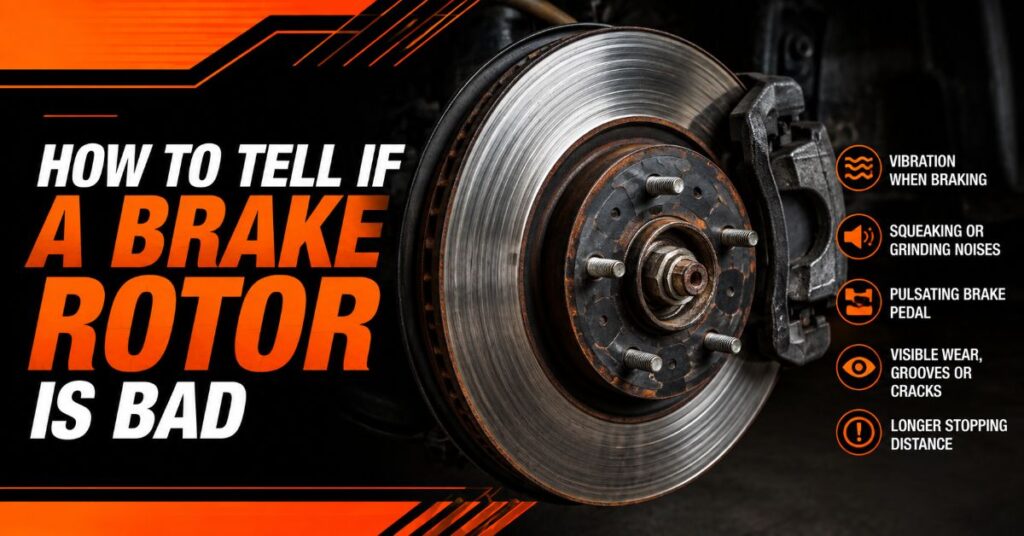
Learning how to tell if a brake rotor is bad involves performing a road symptom test, inspecting the disc surface for scoring and heat spots, and taking precision measurements for minimum thickness and lateral runout. By completing this 5-step diagnostic process in 60 to 90 minutes, you can pinpoint warped or worn rotors using basic […]
Does Check Engine Light Come On for Low Oil?
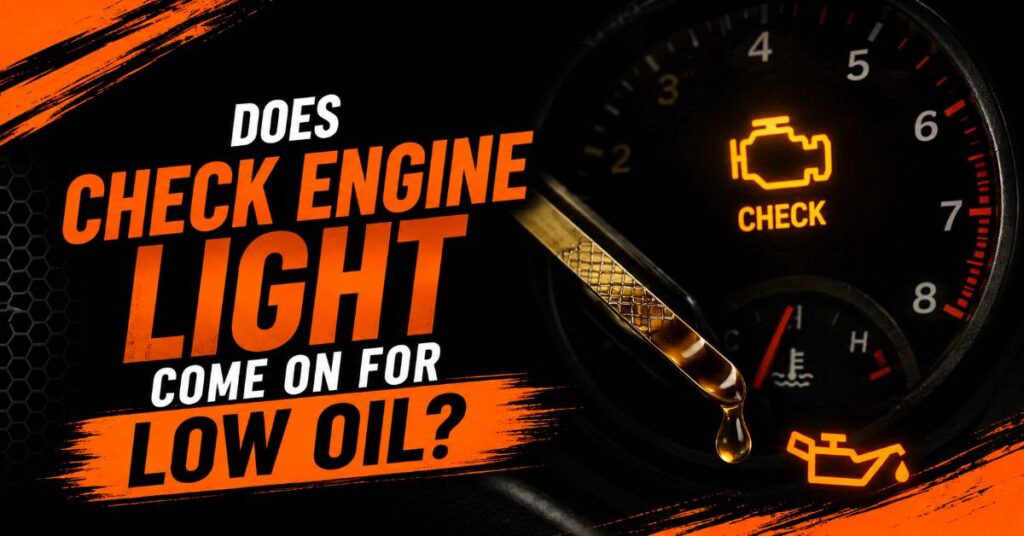
No, the check engine light does not directly monitor oil level, but low oil frequently triggers it indirectly by dropping hydraulic pressure. When engine oil drops 1.5 to 2 quarts low, the hydraulic pressure falls below the threshold required to operate Variable Valve Timing (VVT) solenoids and timing chain tensioners. This causes mechanical timing slippage, […]
Why Does My Car Hesitate When I Accelerate?

Car hesitation during acceleration is caused by an incorrect air-fuel ratio, insufficient fuel pressure, weak ignition spark, or delayed throttle response. When stepping on the gas pedal, the engine control unit (ECU) must rapidly increase fuel and air delivery. A failure in sensors, spark plugs, or fuel components disrupts this process, causing a momentary engine […]
What Are Brake Pads? Types, Lifespan, and Mechanics Explained
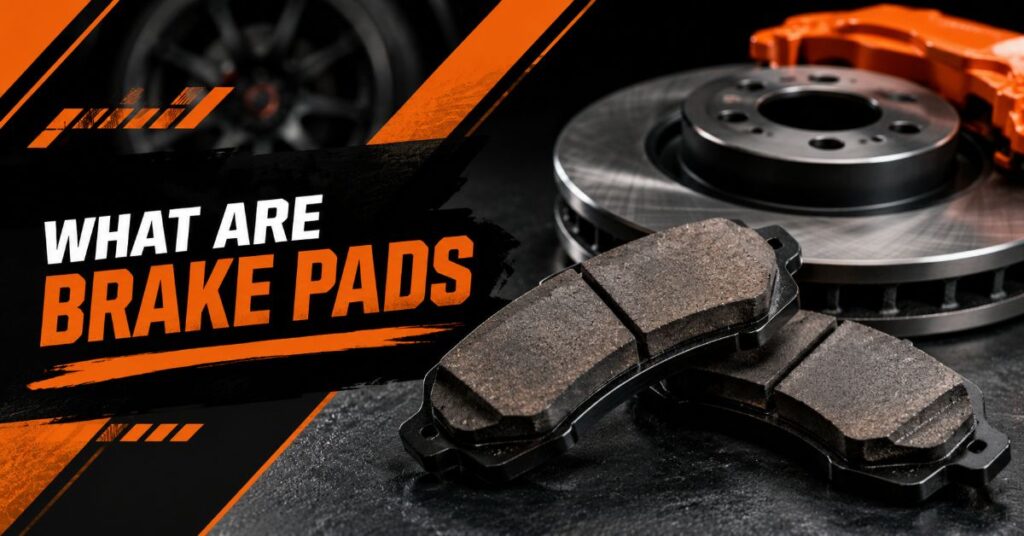
Brake pads are the removable friction components in a vehicle’s disc brake system, consisting of a steel backing plate bonded to a thick layer of high-friction material. When the driver depresses the brake pedal, the brake caliper clamps two opposing pads against the spinning metal rotor, converting kinetic energy into thermal energy to slow or […]
How Does an E-Brake Work? The Complete Mechanics and Adjustment Guide
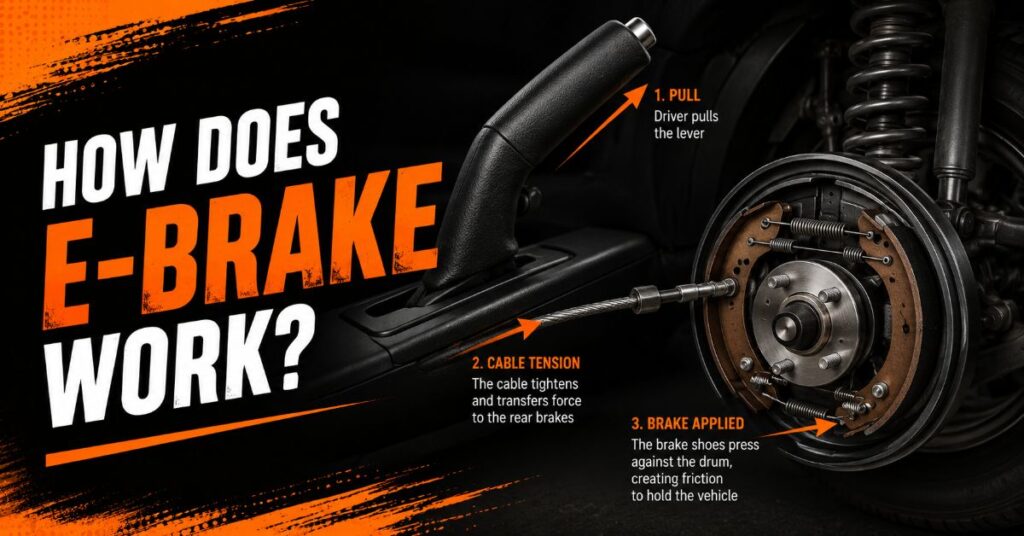
An emergency brake (e-brake), or parking brake, bypasses your primary hydraulic braking system to mechanically or electromechanically lock the rear wheels in place using steel cables or electric motors. Servicing or adjusting a standard cable-driven e-brake involves a 6-step process requiring roughly 45 to 60 minutes, basic hand tools, and a floor jack. The single […]