How to Start a Car with a Bad Ignition Switch
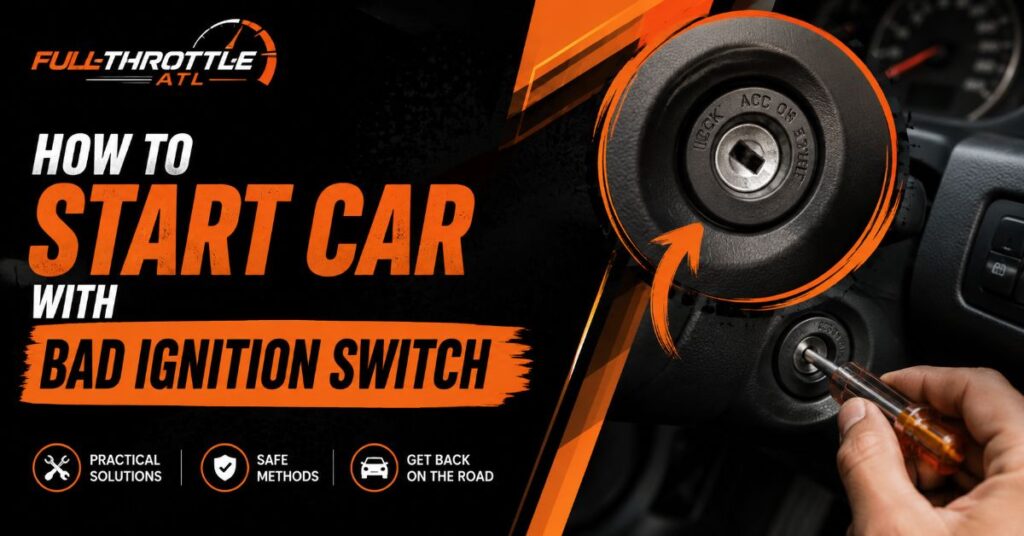
Starting a car with a faulty ignition switch requires bypassing the internal electrical contacts to deliver power directly to the ignition circuit and starter solenoid. By executing five precise steps—securing the vehicle, powering the run circuit, locating the starter solenoid, identifying terminals, and jumping the S-terminal—you can safely start your engine in an emergency within […]
How to Remove Brake Disc Safely: A Complete DIY Guide
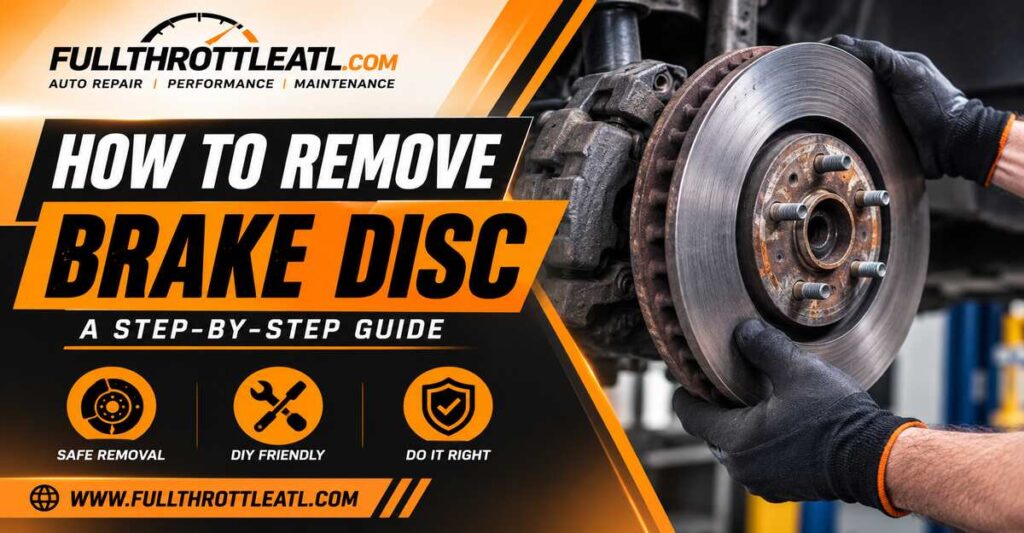
Mastering how to remove a brake disc saves you hundreds in labor costs while ensuring your braking system is serviced correctly. This definitive, 7-step guide covers vehicle elevation, frozen rotor extraction, and hub prep in 45 to 60 minutes per wheel, requiring basic mechanical tools and patience. Step 1: Setup, Safety, and Wheel Removal Step […]
Why Are My Brakes Screeching? Causes, Diagnostics, and Solutions
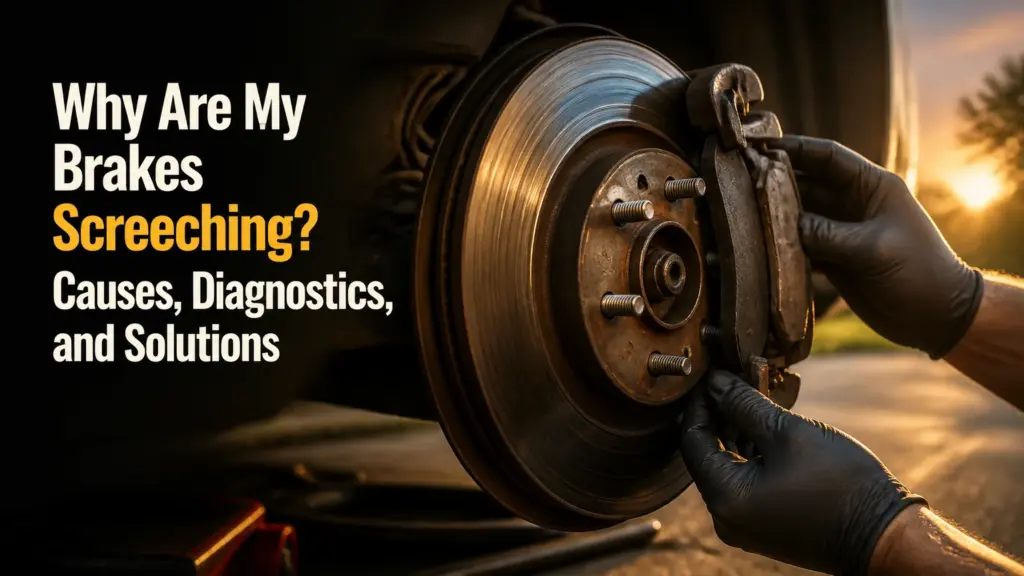
Brake screeching is caused by high-frequency harmonic vibration (typically between 1,000 Hz and 15,000 Hz) generated during stick-slip contact between the brake pad material and the spinning iron rotor. This acoustic resonance is intensified by worn friction material, thermal glazing above 300°C (572°F), moisture, or mechanical alignment failure within the brake caliper assembly. How Do […]
How to Check for Misfire: Step-by-Step Diagnostic Guide
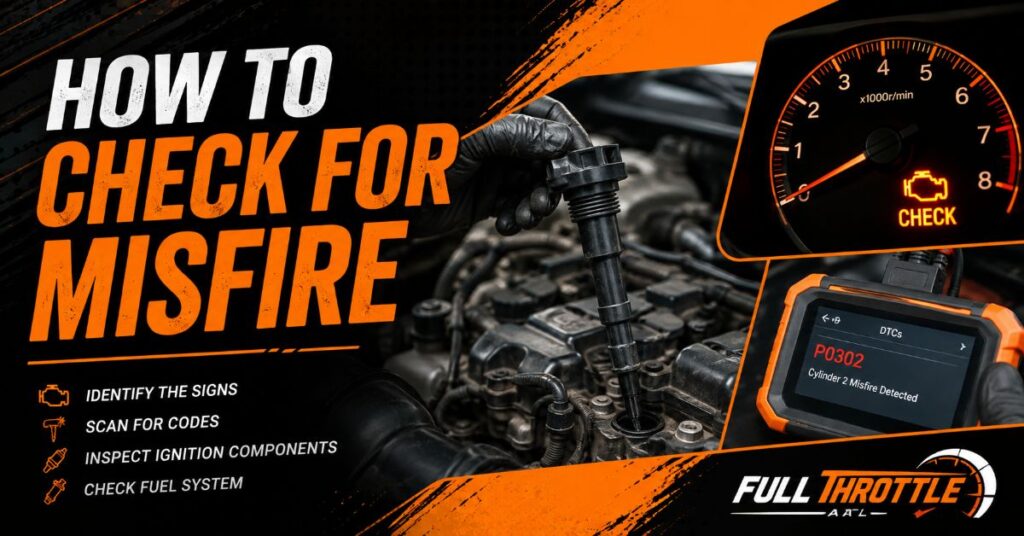
Diagnosing an engine misfire requires systematic isolation of three fundamental combustion elements: spark, fuel, and mechanical compression. By following this 6-step method using an OBD2 scanner, multimeter, and hand tools, you can pinpoint the exact failing component in 1 to 2 hours without wasting money on unneeded auto parts. Comparing worn vs new spark plug […]
How to Flush a Clogged Radiator
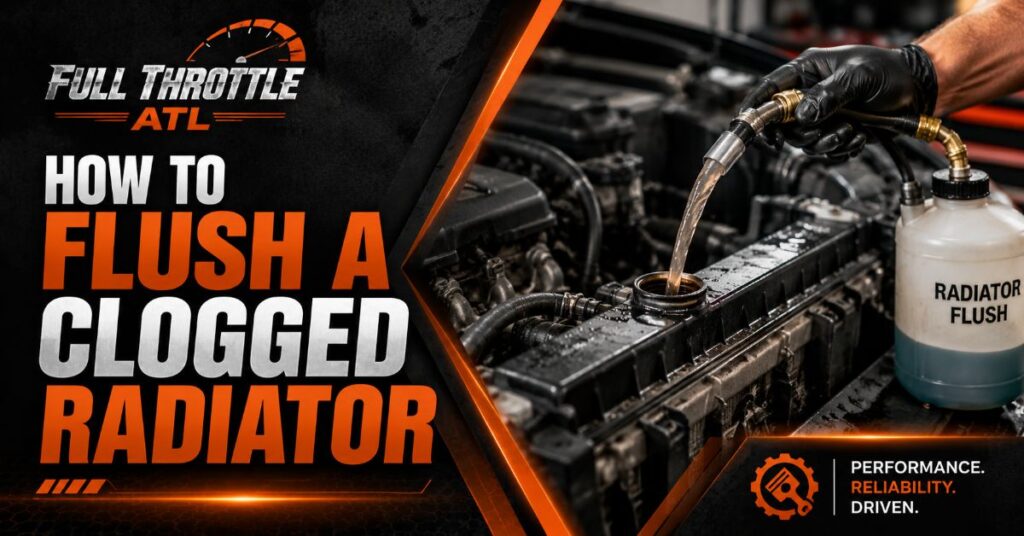
Flushing a clogged radiator involves draining old degraded coolant, circulating a chemical rust-and-scale remover, rinsing residual debris with distilled water, refilling with concentrated antifreeze, and bleeding trapped air. Performing this 8-step process restores heat dissipation efficiency, cures cabin heater failure, and prevents severe engine overheating. Total project time requires 2 to 3 hours with standard […]
How Do You Inspect Brakes: The Complete DIY Inspection Guide
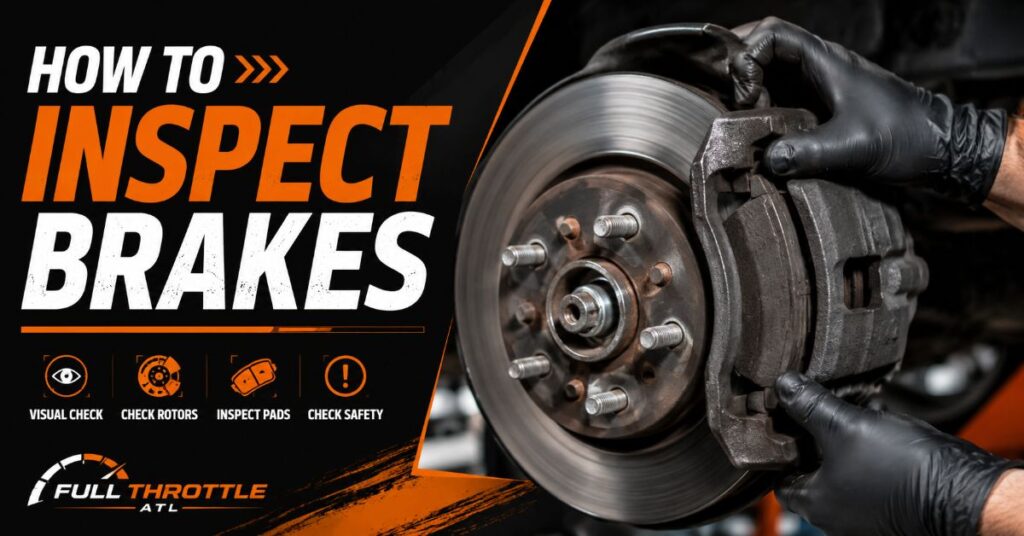
Learning how do you inspect brakes correctly ensures your vehicle’s hydraulic and mechanical stopping systems operate safely under all driving conditions. A complete multi-point brake inspection requires 1 to 1.5 hours using standard garage hand tools and accurate measuring gauges. Follow this step-by-step process to evaluate brake pad wear, rotor thickness, caliper operation, and hydraulic […]
Why Does My Car Say Service Engine Soon?
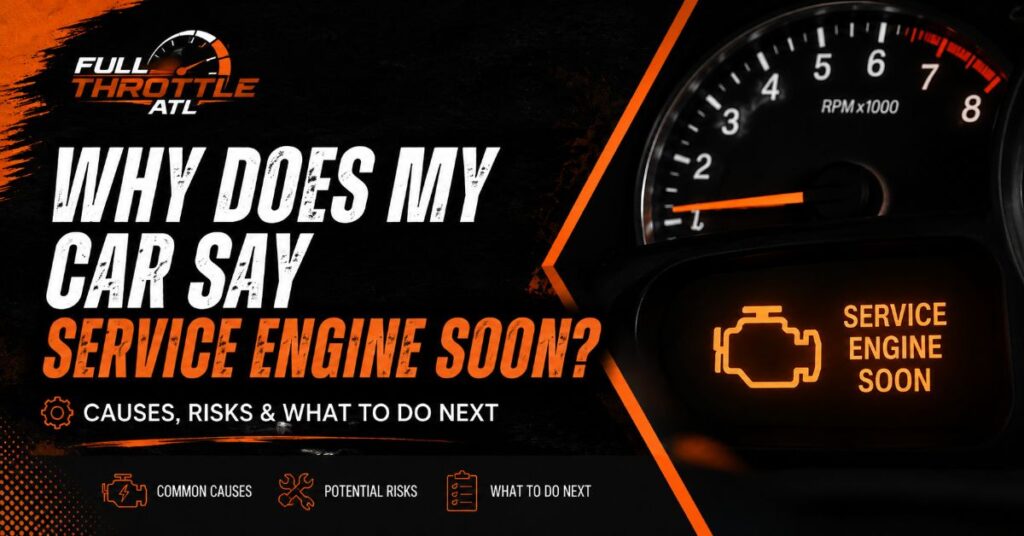
A vehicle’s Service Engine Soon (SES) light illuminates when the engine control module (ECM) detects a fault in the emissions, fuel, ignition, or exhaust system. While common triggers range from a loose fuel cap to a failing sensor, a solid light indicates a non-emergency fault, whereas a flashing light signals a severe engine misfire requiring […]
What Does Brake Cleaner Do?
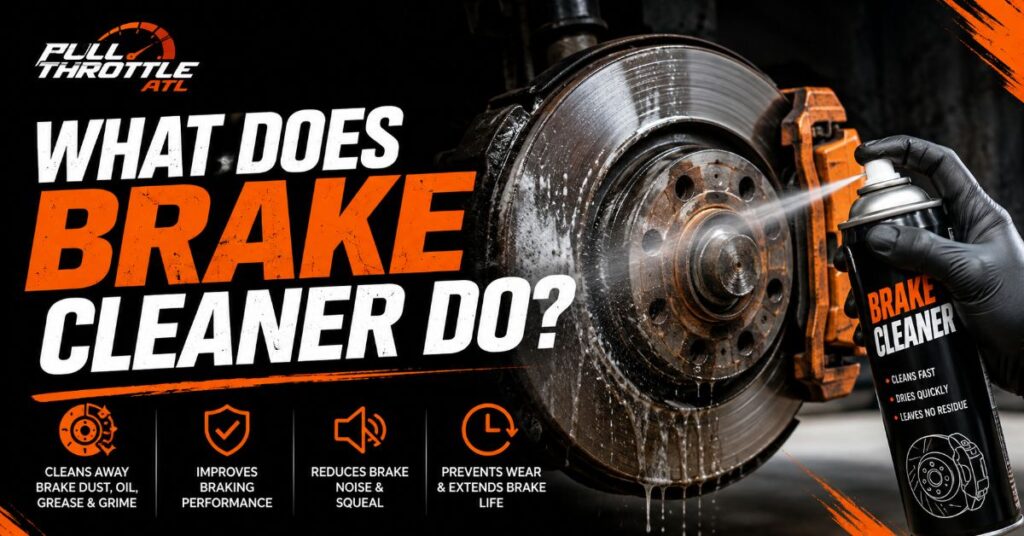
Brake cleaner is a fast-evaporating solvent spray engineered to dissolve oil, grease, brake fluid, and road grime from metal brake components without leaving a residue. By removing surface contaminants from rotors, calipers, and pads, brake cleaner restores the friction necessary for safe, optimal braking performance. How Does Brake Cleaner Work Chemically and Mechanically? Brake cleaner […]
How Does Air Get Into Brake Lines and How Do You Fix It?
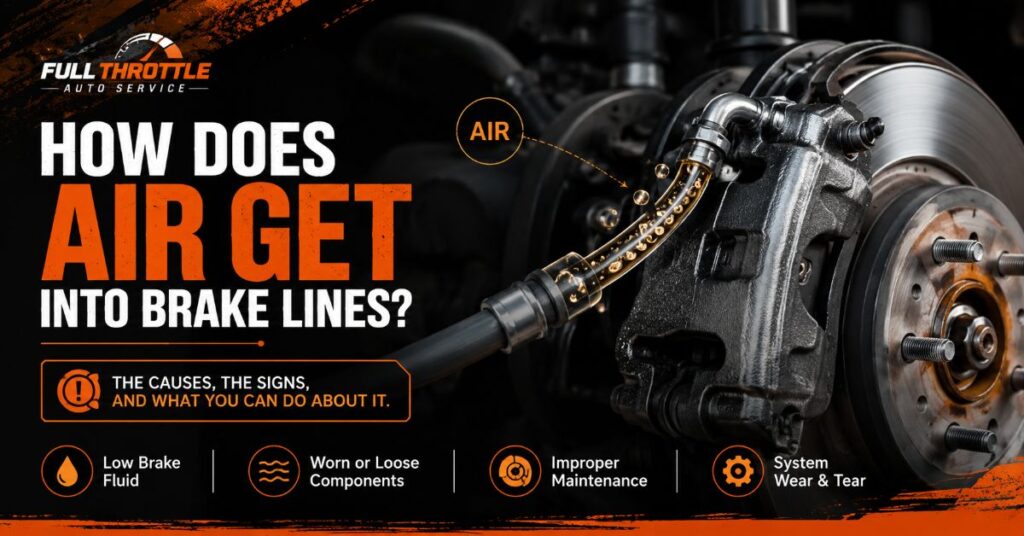
Air enters hydraulic brake lines through fluid boiling, degraded rubber seals, open component replacement, or low reservoir levels, introducing compressible gas pockets into an incompressible system. To eliminate spongy pedal feel and restore stopping power, you must perform a full hydraulic bleed across all four wheels. This process takes 45 to 60 minutes, costs $15 […]
How Can You Tell if Head Gasket Is Blown: The Definitive Diagnostic Guide
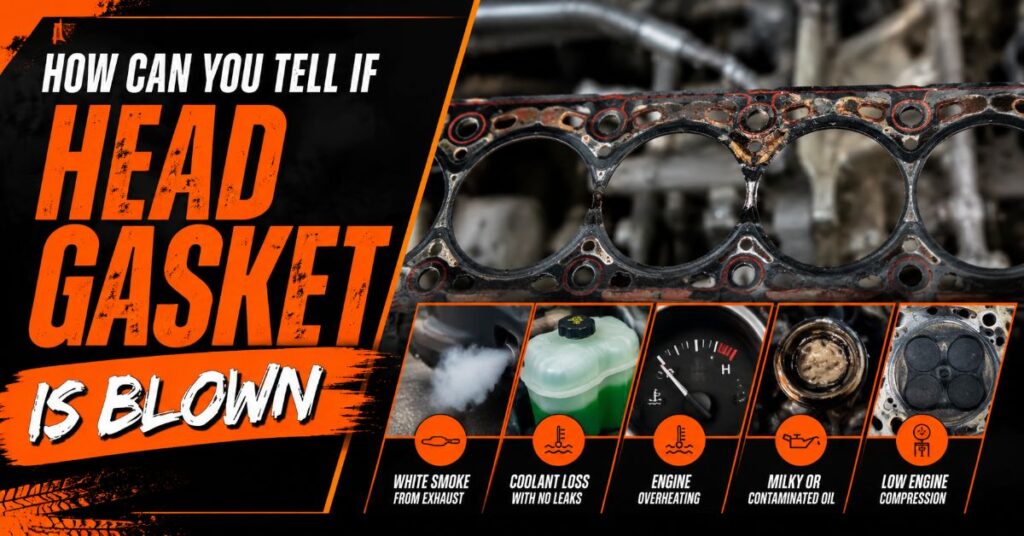
Determining whether your vehicle has a blown head gasket requires a systematic 5-step diagnostic process: visual inspection, exhaust observation, chemical combustion leak testing, cooling system pressure testing, and cylinder compression testing. This complete diagnostic takes 1.5 to 2.5 hours, requires moderate mechanical skill, and relies on strict isolation of combustion, oil, and coolant pathways to […]