Do I Need a Brake Flush?
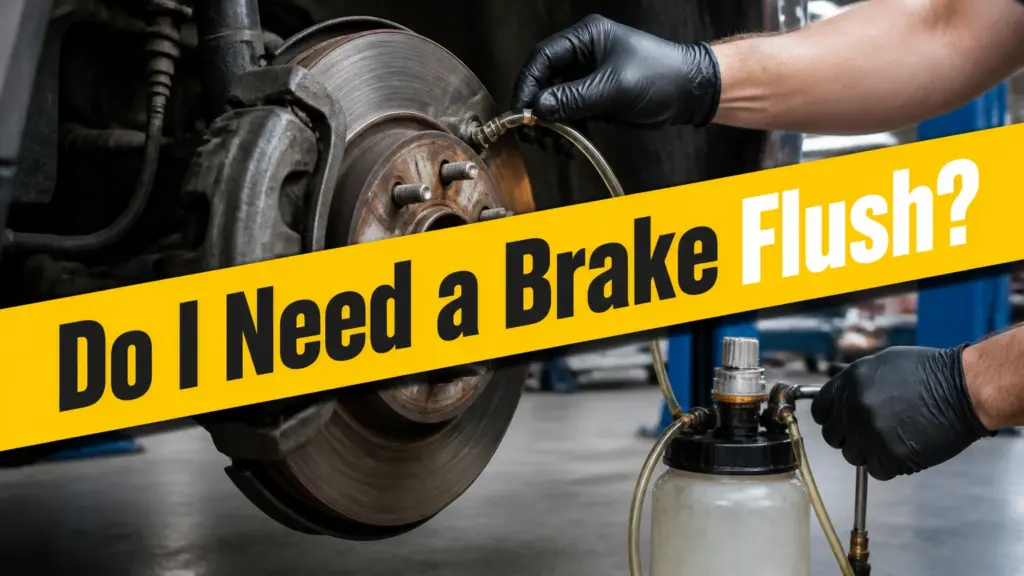
Yes, you need a brake flush every two years or 24,000 miles because brake fluid is hygroscopic and continuously absorbs moisture from ambient air. Accumulated water lowers the fluid’s boiling point, creates vapor pockets that cause sudden brake pedal failure, and corrodes internal ABS modules, calipers, and master cylinders. At a Glance What Are the […]
Why Are My Brake Pads Wearing Unevenly?
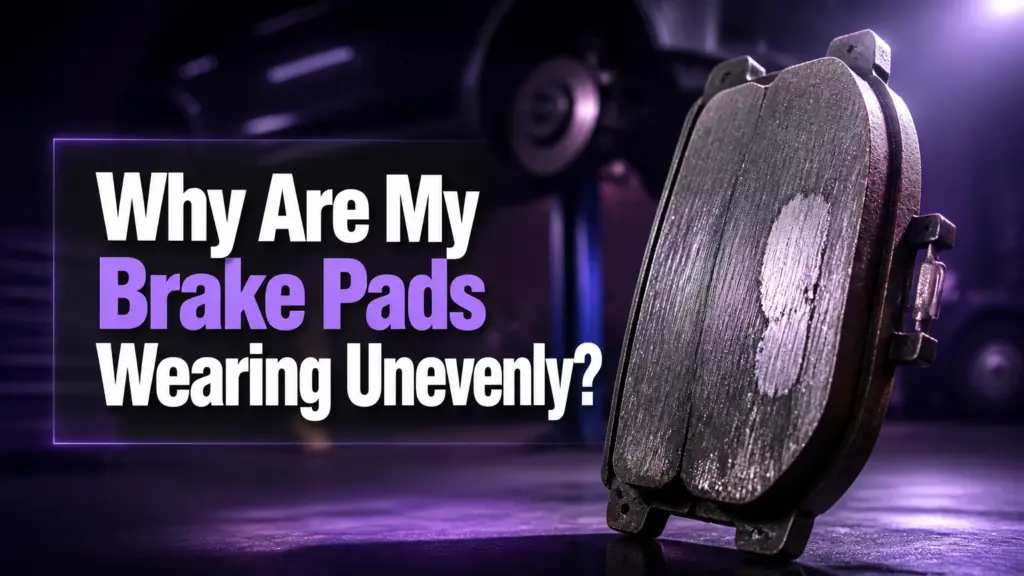
Uneven brake pad wear is caused by mechanical binding, fluid pressure restrictions, or structural misalignment within the braking system. When functioning properly, a brake caliper applies equal clamping force across both friction surfaces. Component failures—such as seized slider pins, stuck pistons, corroded bracket tracks, or collapsed brake hoses—disrupt this balance, forcing one pad to drag […]
What Does Stop Leak Look Like in a Radiator?
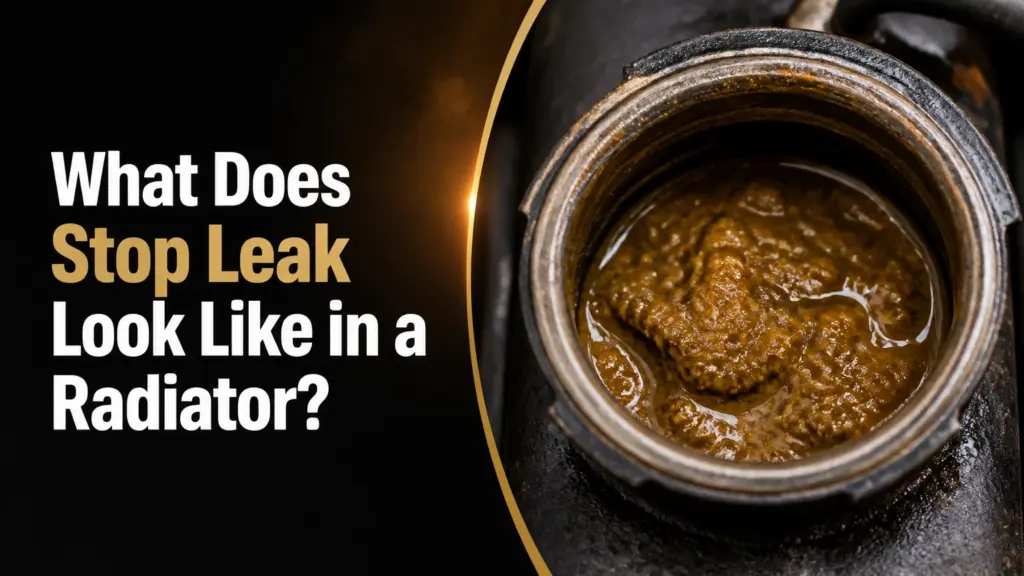
Radiator stop leak typically looks like a thick, gritty sludge, fibrous brown muck, or shimmering metallic slurry inside the radiator filler neck or overflow tank. Depending on the formula used, it appears as dark brown organic granules, floating copper or silver flakes, semi-clear gelatinous globs, or a crusty paste along the sealing surfaces. What Are […]
How Many CV Axles Does a Car Have?
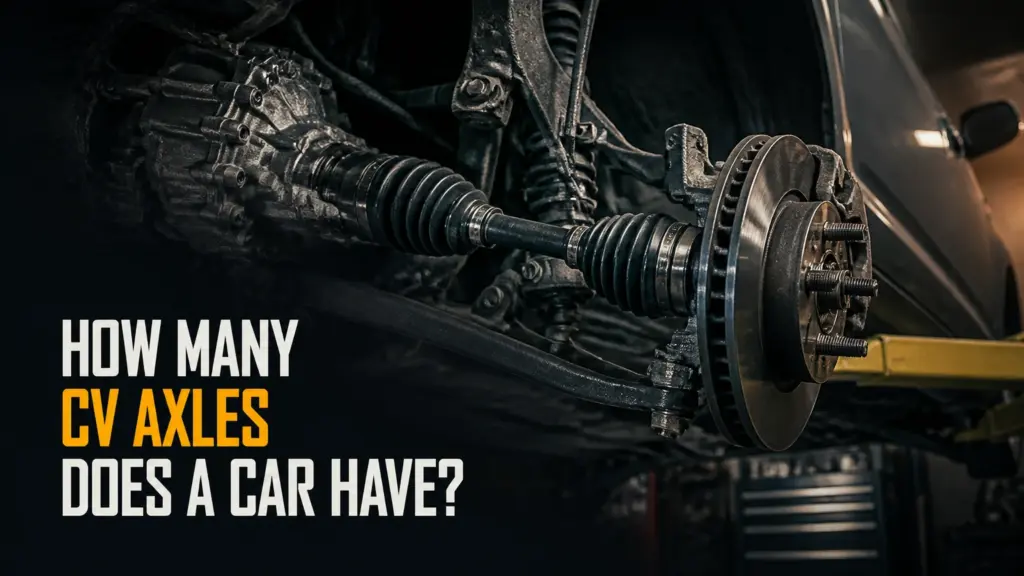
Most passenger cars have 2 or 4 CV (constant velocity) axles, determined entirely by the vehicle’s drivetrain and suspension setup. Front-wheel drive (FWD) cars use 2 CV axles in the front. All-wheel drive (AWD) and four-wheel drive (4WD) cars with independent suspension use 4 CV axles. Rear-wheel drive (RWD) cars have either 2 rear CV […]
What Does a Torque Converter Do?
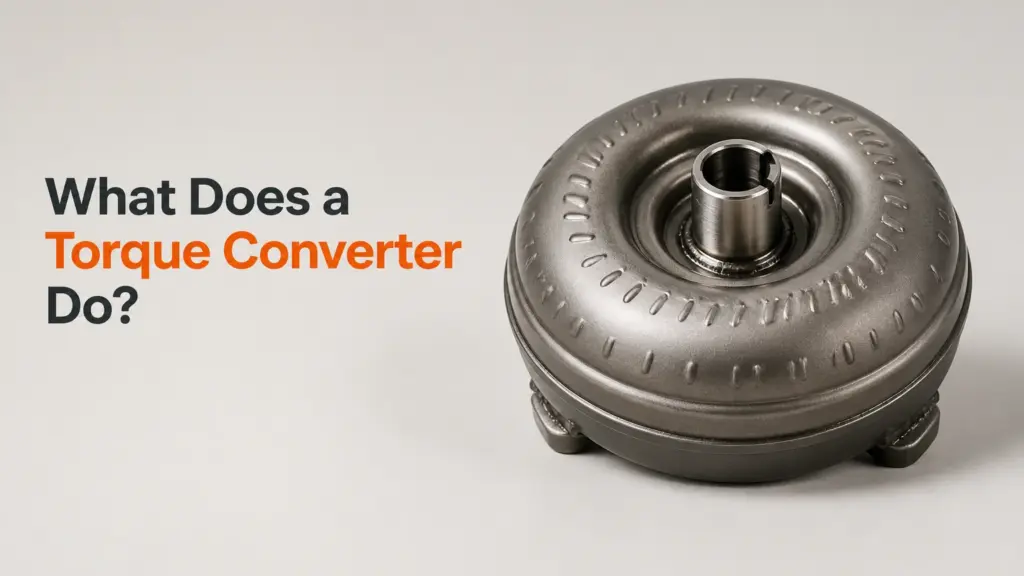
A torque converter is a fluid coupling device in automatic transmissions that transfers rotating mechanical power from an internal combustion engine to the transmission input shaft. It replaces the traditional manual clutch, allowing the vehicle’s engine to continue running smoothly while the drive wheels come to a complete stop. How Does a Torque Converter Work? […]
How Do Tires Become Unbalanced?
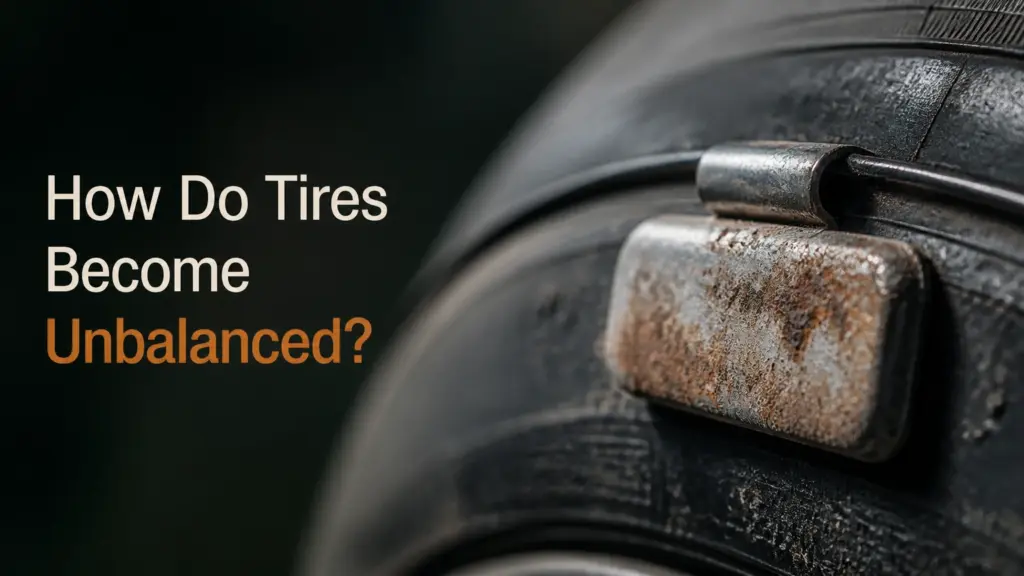
Tires become unbalanced due to an uneven distribution of mass across the wheel assembly, caused by manufacturing variations, uneven tread wear, lost wheel weights, or physical damage. As the tire spins, even a weight variance of 0.25 ounces (7 grams) generates asymmetric centrifugal force, resulting in severe vehicle vibration at highway speeds. At a Glance […]
Is Replacing an Alternator Hard? DIY vs. Pro Repair Guide
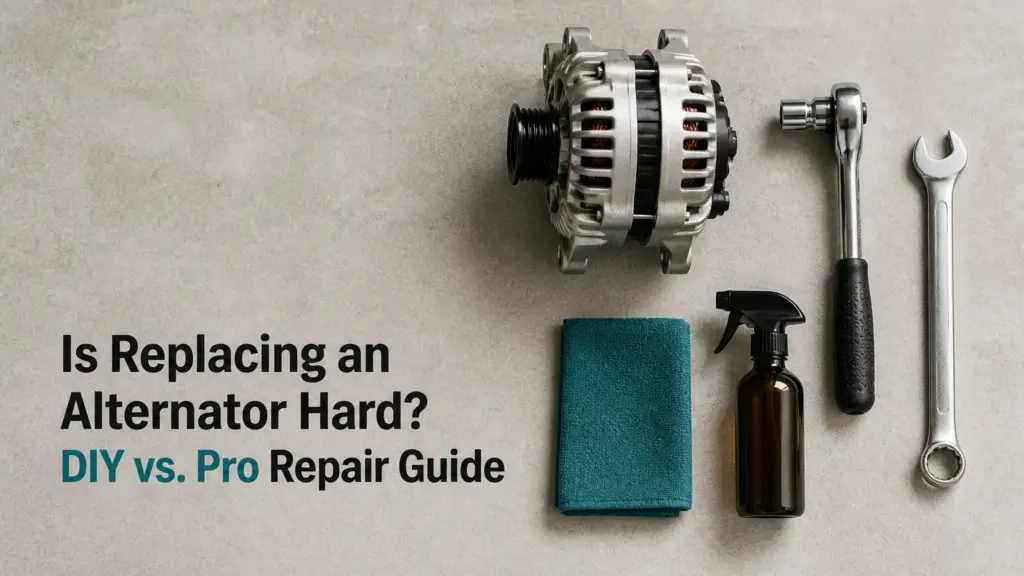
Replacing an alternator is moderately easy to moderately difficult for most DIY mechanics, taking between 1 to 3 hours on standard vehicles. On top-mounted longitudinal engines, it is a straightforward bolt-on repair requiring basic hand tools. However, on tight transverse engines, luxury cars, or water-cooled units, difficulty spikes significantly because front bumpers, wheel arches, or […]
What Causes Brakes to Lock Up?
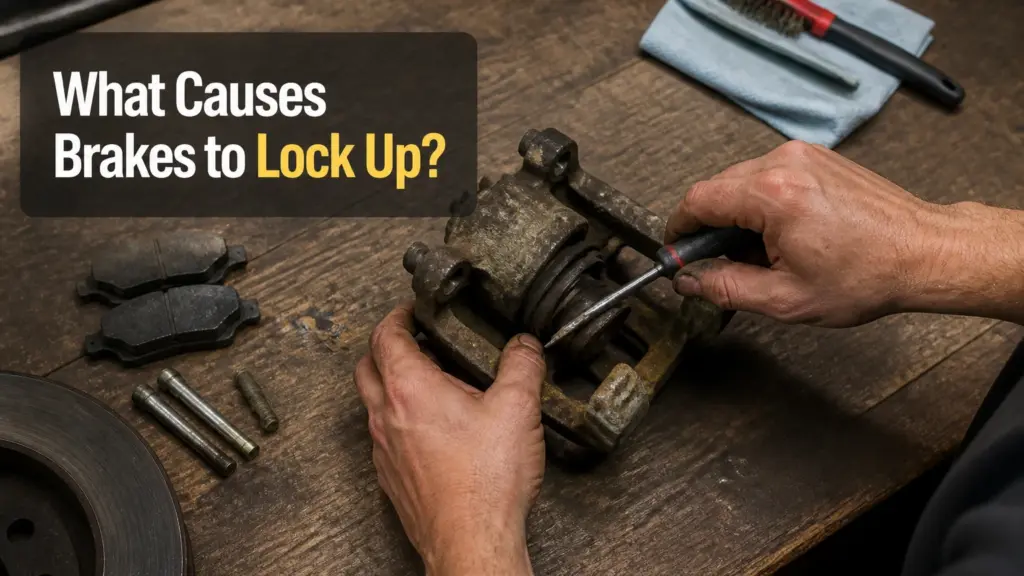
Brakes lock up when hydraulic line pressure fails to release, mechanical components seize, or electronic control systems malfunction, causing braking force to exceed tire traction. This forces one or more wheels to stop spinning entirely while the vehicle remains in motion, resulting in skid hazards and severe thermal damage to the braking assembly. What Mechanical […]
How to Clear Check Engine Light Code

Clearing a check engine light (CEL) code requires sending an erase command to your vehicle’s Engine Control Unit (ECU) using an OBD-II scanner. By following this 6-step process, you can safely reset your ECU memory, extinguish the dashboard light, and verify system status in under 10 minutes. Success depends entirely on performing the erase sequence […]
How Do Brakes Work?
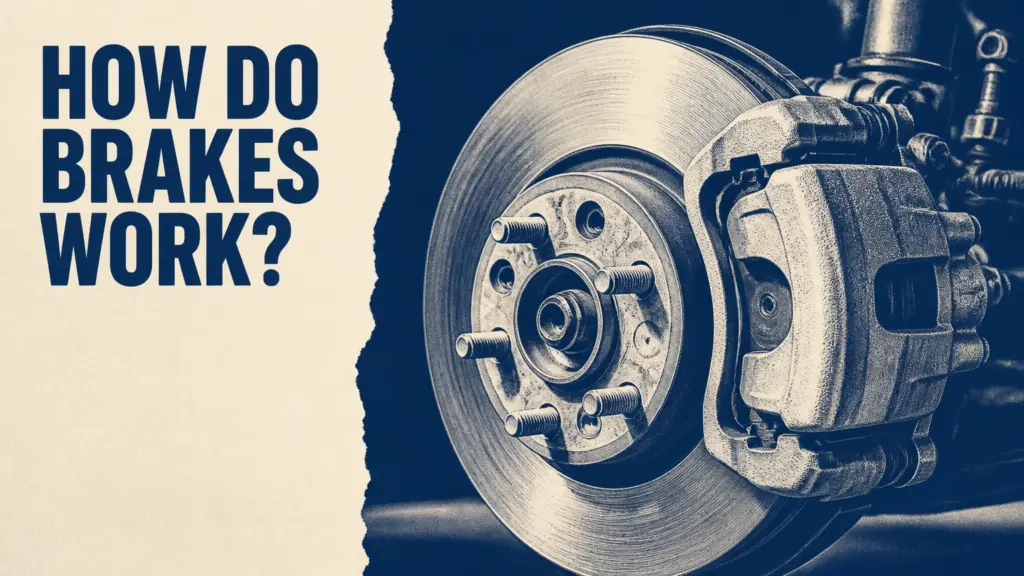
Car brakes work by converting the vehicle’s motion (kinetic energy) into thermal energy (heat) using friction. When a driver presses the brake pedal, mechanical leverage and incompressible hydraulic fluid multiply foot force up to 36 times, driving brake pads against spinning rotors to safely slow or stop the wheels. At a Glance How Does a […]