How to Tell If Brakes Need Bleeding and Bleed Them Completely
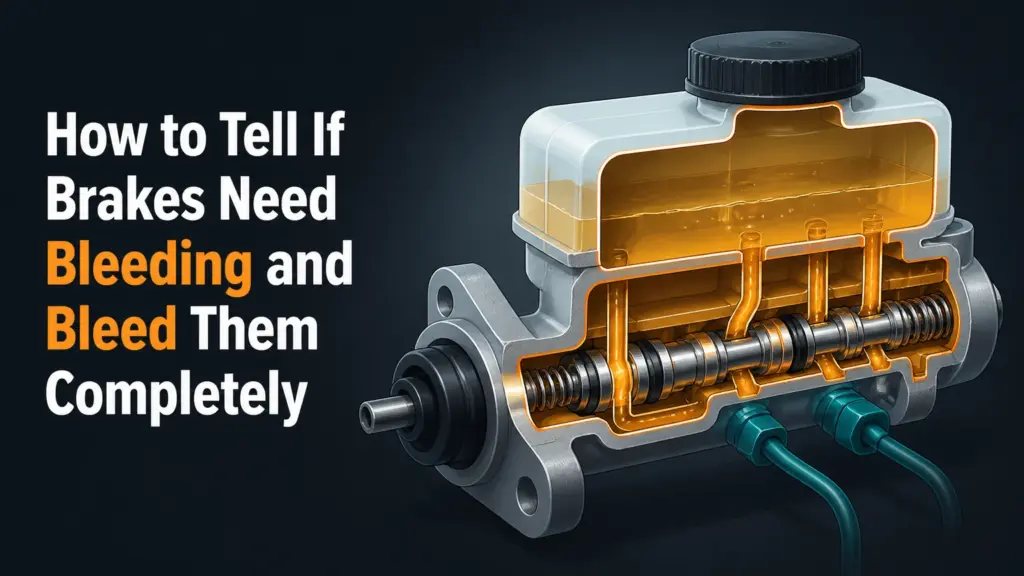
Knowing how to tell if brakes need bleeding comes down to recognizing trapped air in your vehicle’s hydraulic lines: a spongy pedal, excessive pedal travel, or a pedal that slowly sinks to the floor under steady pressure. Bleeding the brakes removes compressed air bubbles to restore immediate stopping power, taking about 60 to 90 minutes […]
Will Low Transmission Fluid Cause Slipping?
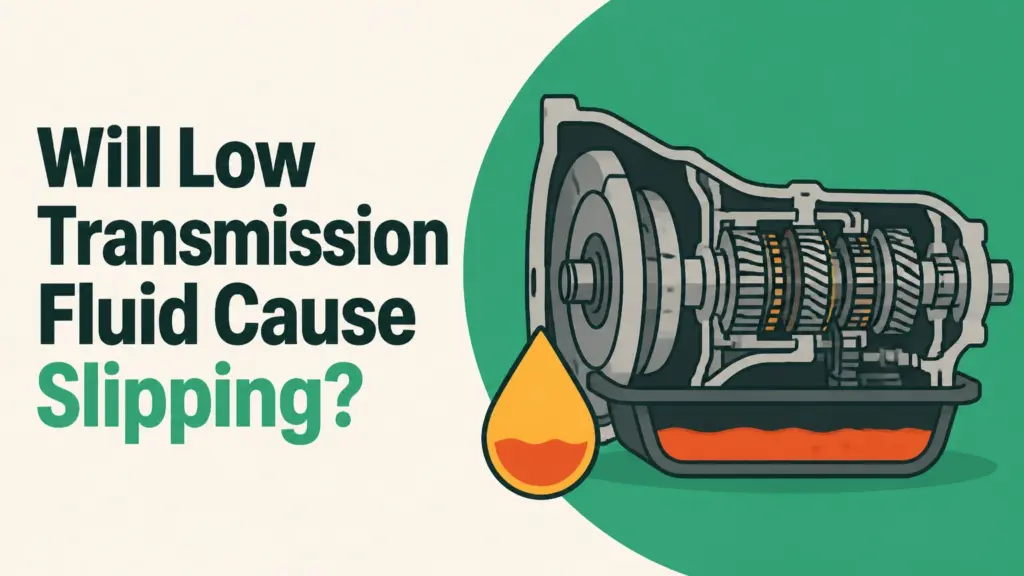
Yes, low transmission fluid directly causes transmission slipping. Automatic, CVT, and wet-dual-clutch transmissions rely on incompressible automatic transmission fluid (ATF) to generate hydraulic pressure. When fluid levels drop below operating thresholds, the hydraulic pump ingests air, causing pressure loss that prevents internal clutch packs, bands, and pulleys from fully clamping, allowing internal components to slide […]
How Often Are Brake Pads Replaced?
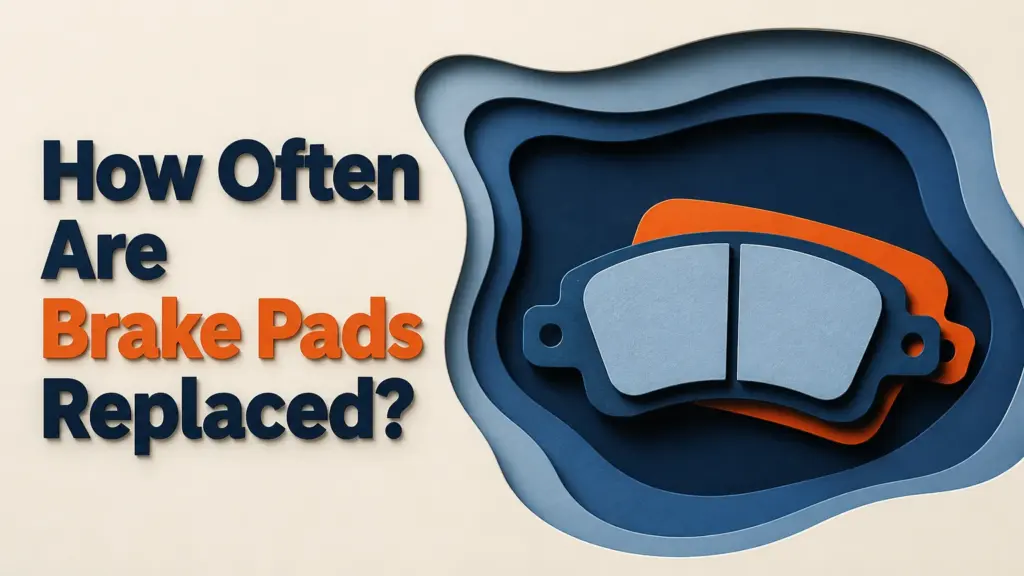
Brake pads are typically replaced every 30,000 to 70,000 miles, though exact replacement intervals range from 15,000 miles in severe city conditions to over 100,000 miles on highways. Drivers should replace brake pads when the friction material wears down to 3 millimeters (3/32 inch) or when mechanical wear indicators produce a squealing sound. At a […]
What Does Transmission Hot Idle Engine Mean?
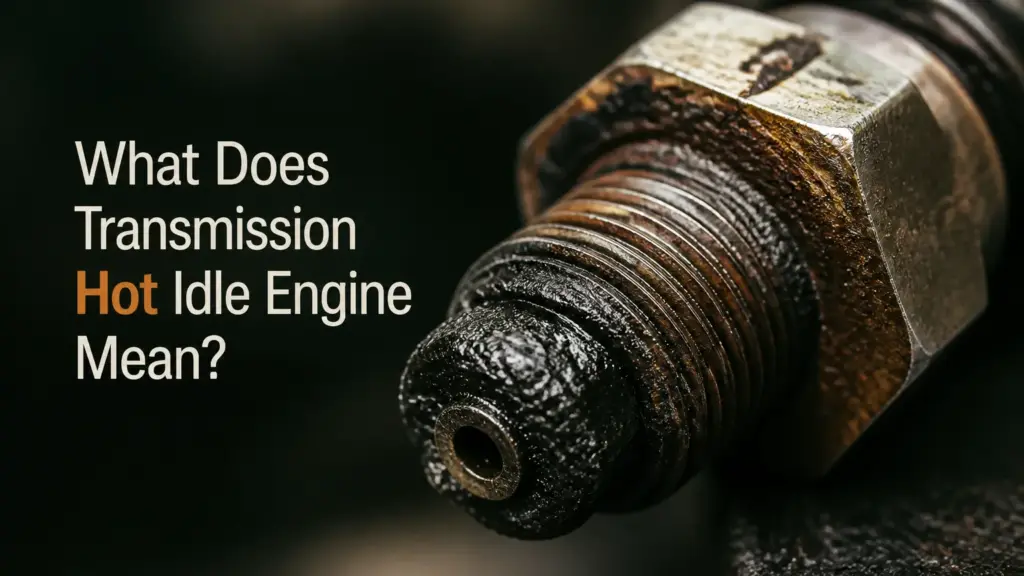
The “Transmission Hot Idle Engine” dashboard warning message indicates that your automatic transmission fluid (ATF) has reached a critically high temperature, typically between 265°F and 270°F (129°C to 132°C). The vehicle’s engine control module (ECM) commands you to pull over safely, shift into Park or Neutral, and let the engine idle so the mechanical pump […]
What Air Filter Fits My Car? Correct Fitment Guide
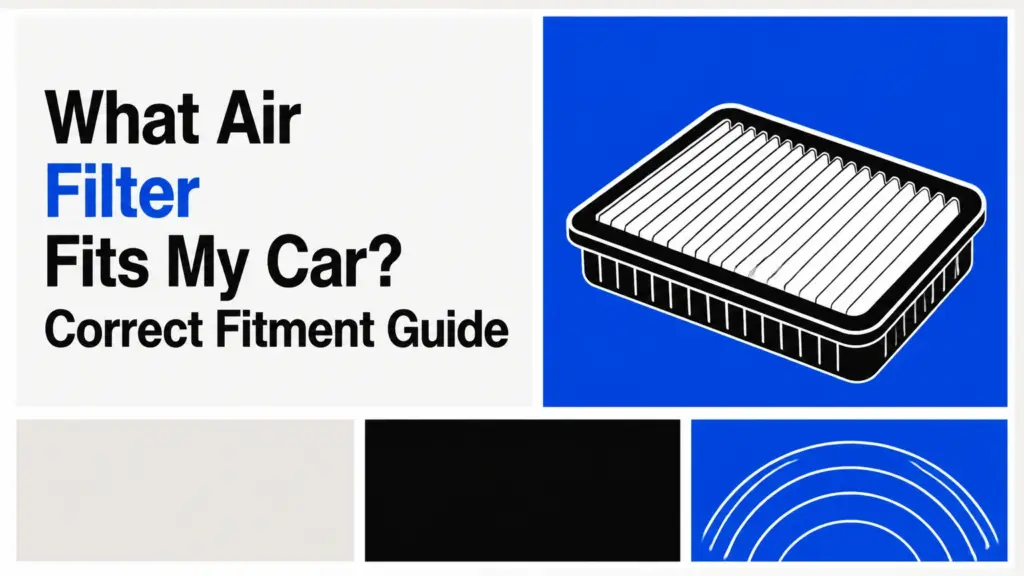
To determine which air filter fits your vehicle, identify your car’s exact year, make, model, trim level, and engine size (e.g., 2010 Honda Odyssey EX-L 3.5L V6). Match these specifications to an OEM part number in your owner’s manual or use an online fitment database. Alternatively, remove your current filter to read the part number […]
How to Fix Brake Fluid Leak
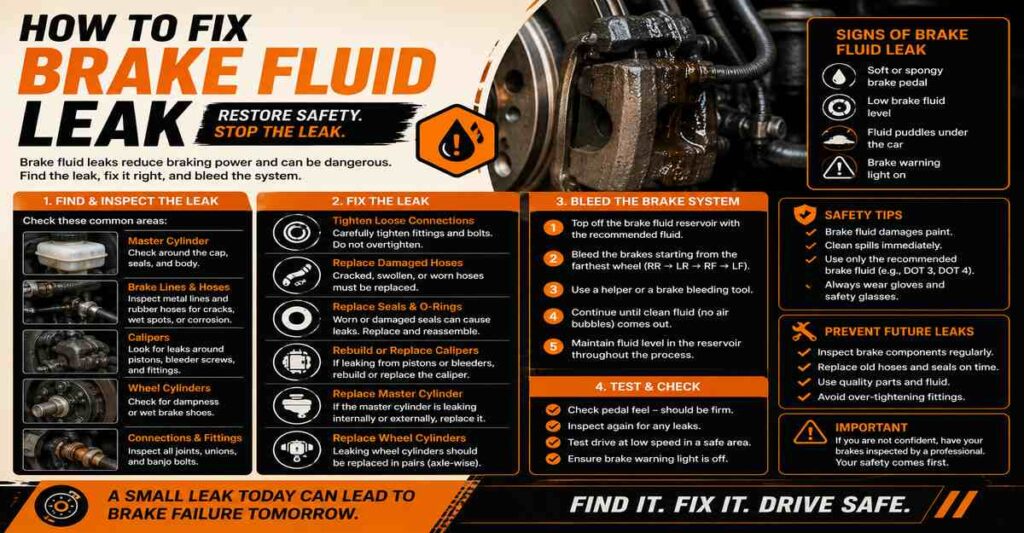
Fixing a brake fluid leak involves pinpointing the compromised hydraulic component, replacing the failing part, and meticulously bleeding air from the system. You can complete these six steps in 1.5 to 3.5 hours. Success depends entirely on preventing the master cylinder reservoir from running dry while purging the brake lines. Before You Start Step 1: […]
Does Transmission Stop Leak Work?
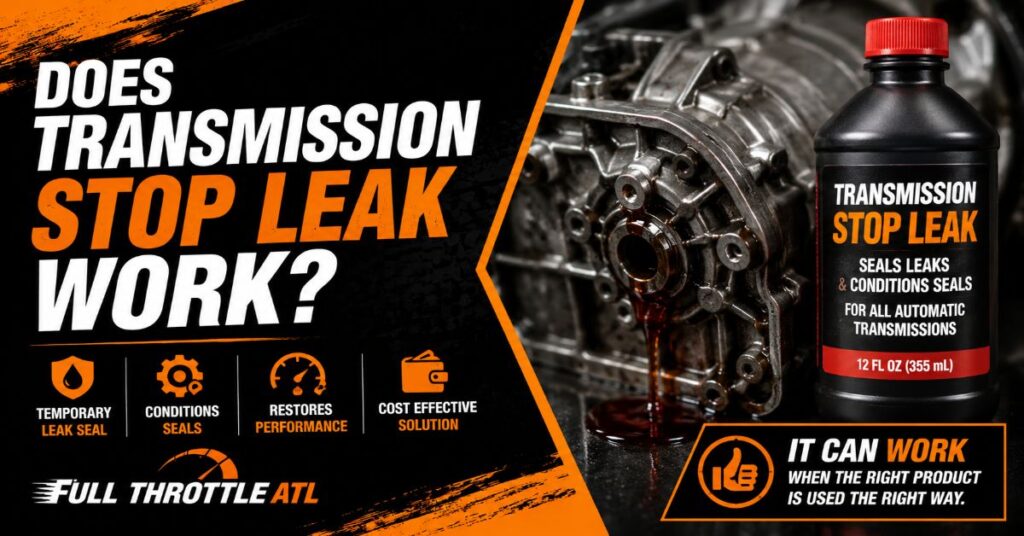
Transmission stop leak works strictly as a temporary fix for minor seepage caused by dried, hardened rubber or nitrile seals. It chemically swells hardened seals by 5% to 15% to stop minor fluid weeping. However, transmission stop leak cannot repair torn gaskets, cracked metal housings, mechanical shaft wobble, or leaks in CVTs. At a Glance […]
Can Brake Pads Fall Off a Vehicle? Causes and Prevention
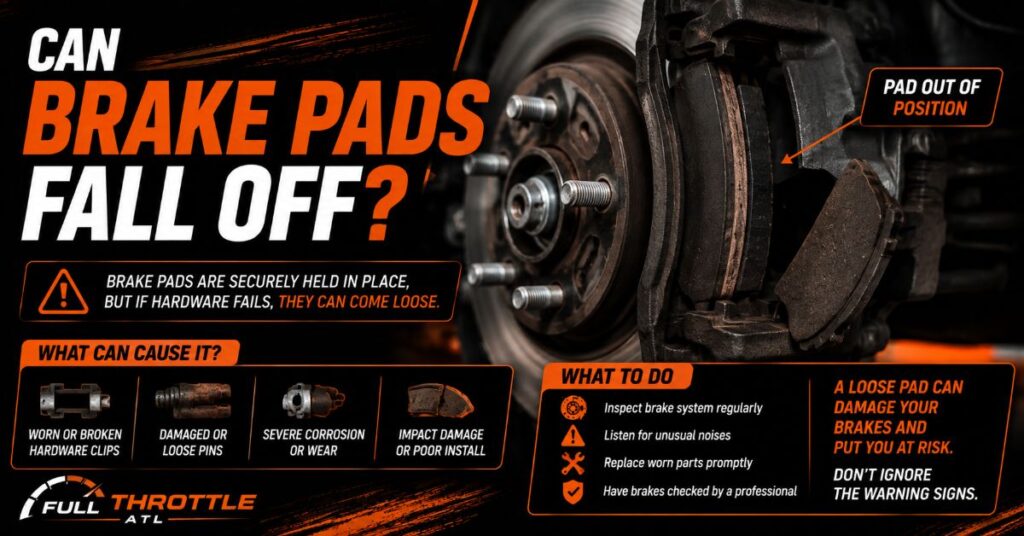
Brake pads can physically fall off a vehicle, but it is an extreme mechanical failure caused by severe wear neglect, mechanical delamination, or improper caliper installation. Under normal conditions, the brake caliper bracket securely traps the friction pad against the rotor, preventing it from escaping the braking assembly. What Is the Critical Wear Limit Before […]
How to Check Battery Drain: The Complete Diagnostic Guide
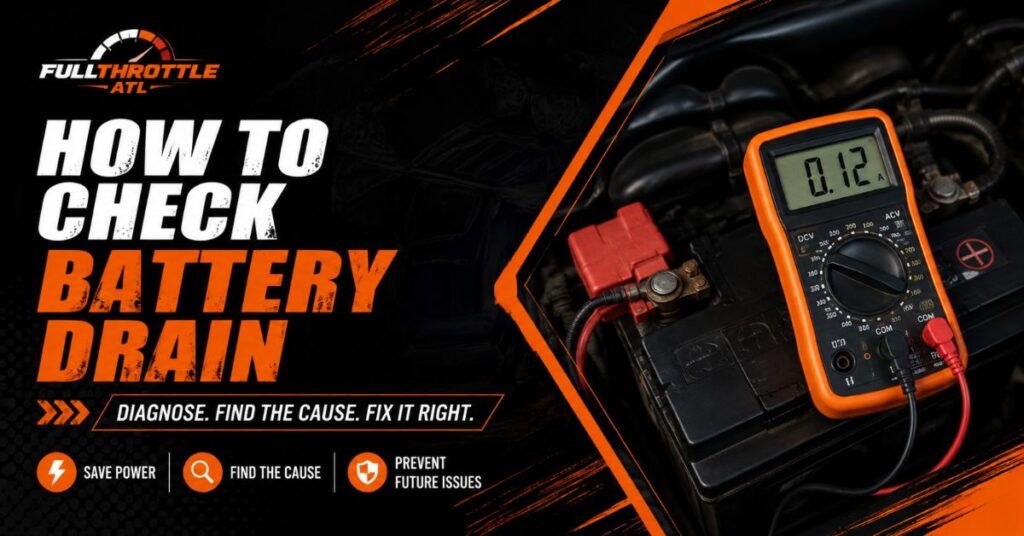
A parasitic battery drain occurs when electrical components continue pulling current from your vehicle’s battery after the ignition is turned off and the control modules have gone to sleep. Standard parasitic draw on modern vehicles ranges from 20mA to 50mA (0.02A to 0.05A) to power keyless entry receivers, clock memories, and engine control units (ECUs). […]
Why Is My Brake Light Flashing?
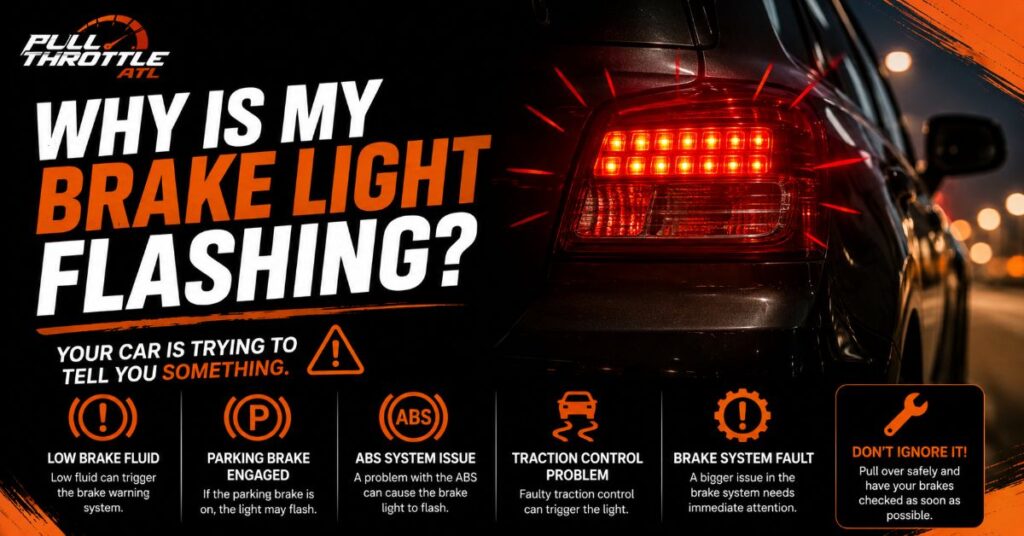
A flashing brake light on your dashboard indicates an immediate safety risk or critical electronic fault, such as dangerously low brake fluid, an actively engaged emergency brake, or a severe Anti-Lock Braking System (ABS) malfunction. Unlike a solid warning light that signals a routine maintenance warning, a flashing light is an active alert engineered to […]