How Can You Tell If Rotors Are Warped?
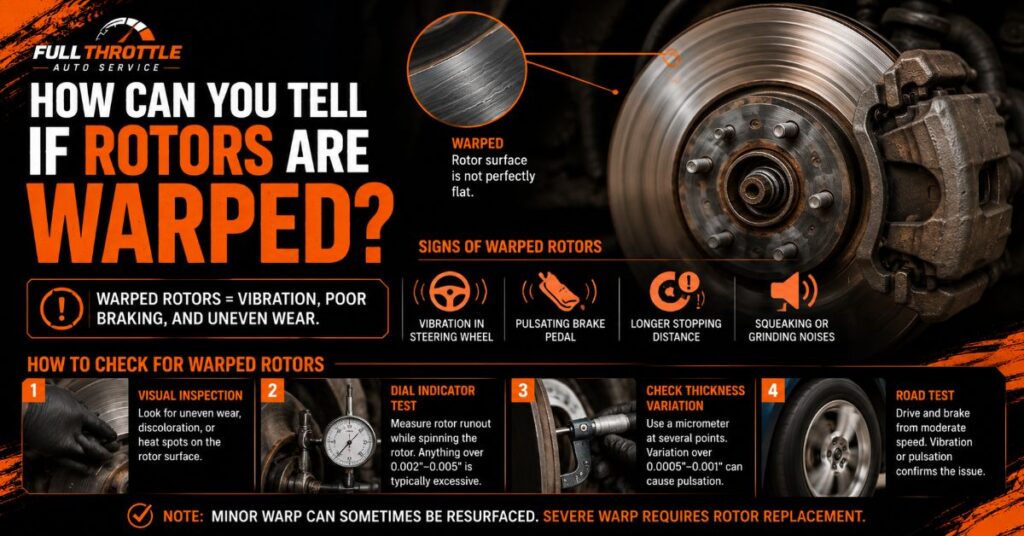
You can tell if your brake rotors are warped primarily by a distinct pulsation in the brake pedal or a violent vibration in the steering wheel that occurs only while braking and scales directly with vehicle speed. As the brake pads squeeze an uneven rotor surface, the high and low spots push back against the […]
What Does Brake System Warning Light Mean?
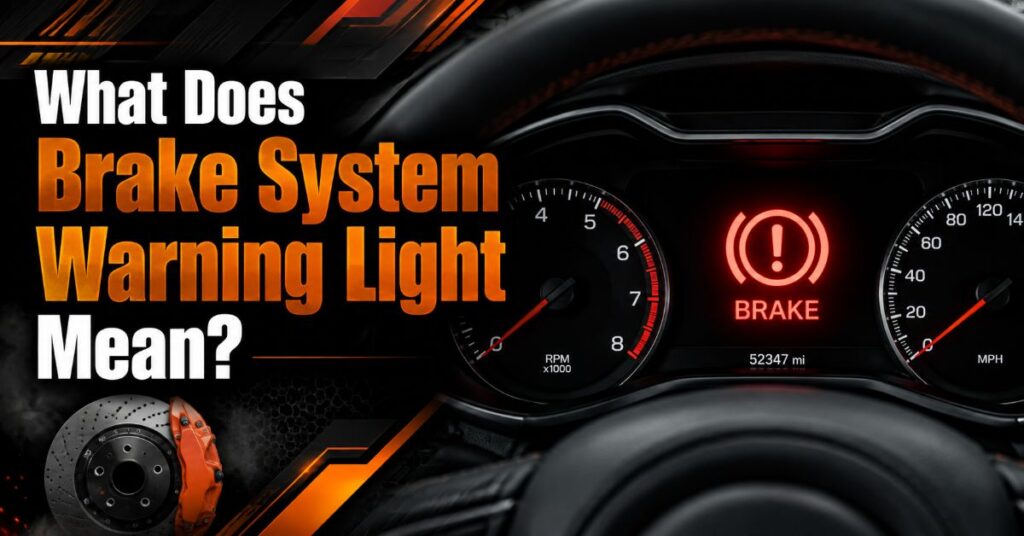
The brake system warning light indicates that the vehicle’s computer has detected a critical safety issue, most commonly a severe drop in the master cylinder brake fluid level, a loss of hydraulic pressure, or an engaged parking brake. Ignoring this light can lead to catastrophic brake failure and complete loss of stopping power. What does […]
Why Might Someone Choose to Get Gap Insurance?

Drivers choose gap insurance to cover the financial shortfall between a vehicle’s actual cash value (ACV) and the remaining auto loan or lease balance if the car is totaled or stolen. Because primary auto insurance only pays current market value, gap insurance prevents drivers from paying thousands of dollars out of pocket for a vehicle […]
How to Fix Warped Rotors
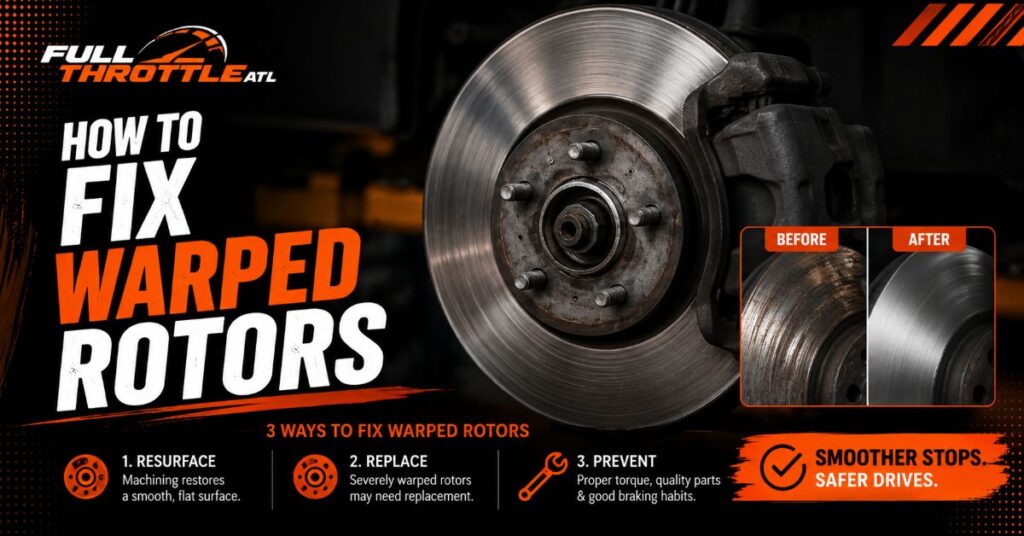
Fixing warped rotors requires replacing or resurfacing the damaged disc and eliminating the underlying root causes—such as wheel hub rust, stuck caliper pins, and uneven wheel lug torque—that cause brake pedal pulsation. By following this 9-step procedure, you can replace warped rotors, service your calipers, and properly bed in new pads in 1.5 to 3 […]
How to Check If a Car Alternator Is Bad
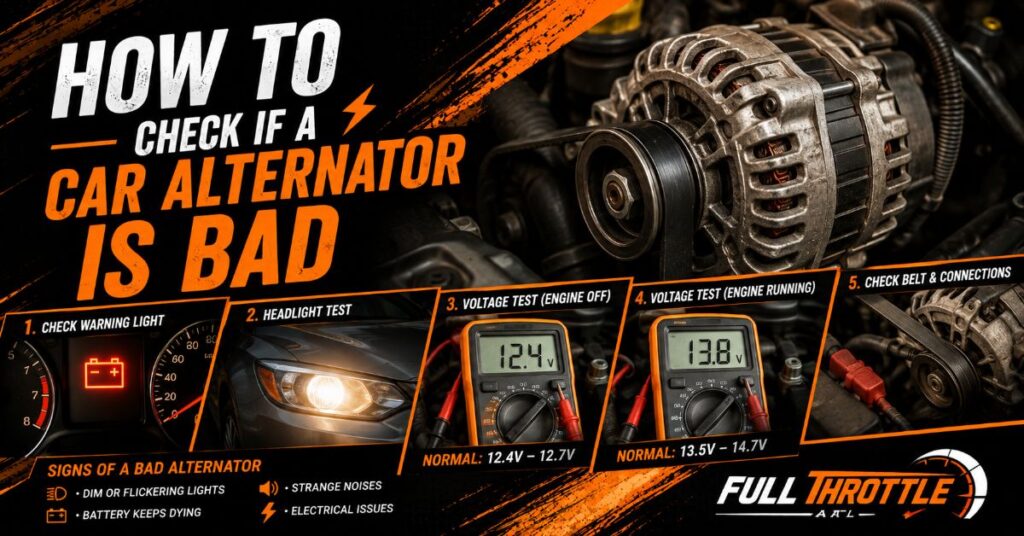
Testing a failing car alternator takes 15 to 20 minutes using a basic digital multimeter. By measuring resting battery voltage, idle output, electrical load capacity, and AC ripple voltage, you can conclusively determine whether your alternator is failing or if an underlying battery or wiring issue is at fault before spending money on replacements. Step-by-Step […]
What Causes Engine Oil Leakage?
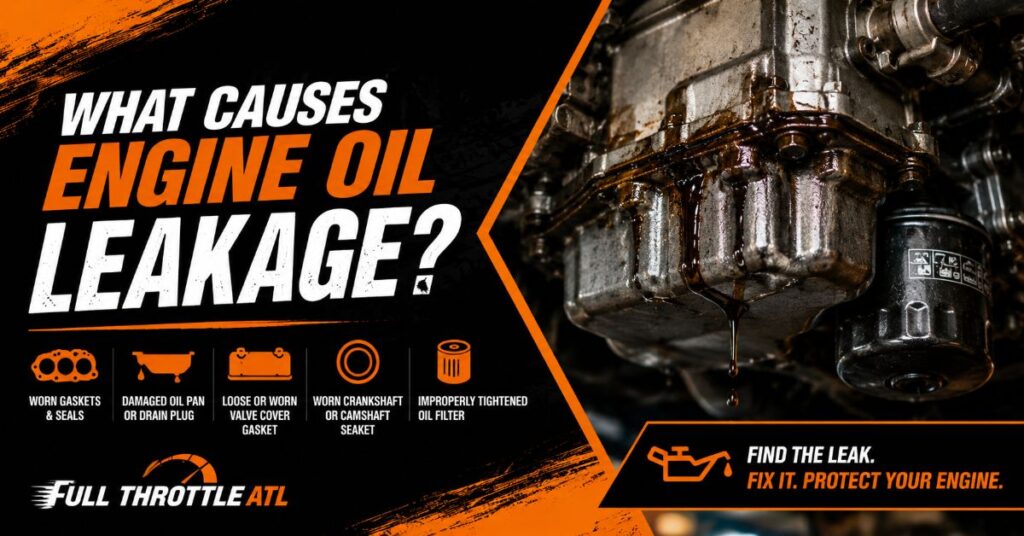
Engine oil leakage is primarily caused by degraded rubber seals and gaskets, excessive crankcase pressure from a failed PCV system, or improper installation of maintenance items like oil filters and drain plugs. As internal pressure pushing against aging materials exceeds containment thresholds—typically 20 to 60 PSI at operating temperature—oil forces its way past the mating […]
Why Does My Car Rev High When Accelerating?
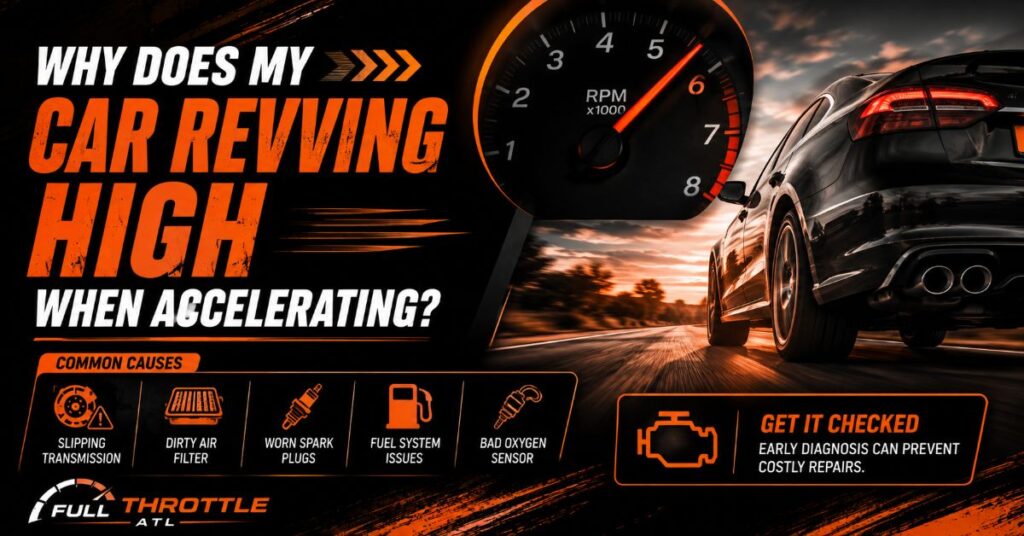
A car revving high without gaining speed indicates a mechanical or hydraulic disconnect between the engine and the drive wheels. This issue is most commonly caused by a slipping automatic transmission, a worn manual clutch disc, low transmission fluid pressure, or distorted electronic sensor signals mismanaging gear selection. Is High Revving During Acceleration Dangerous to […]
Why Windshield Wipers Leave Streaks and How to Stop Them
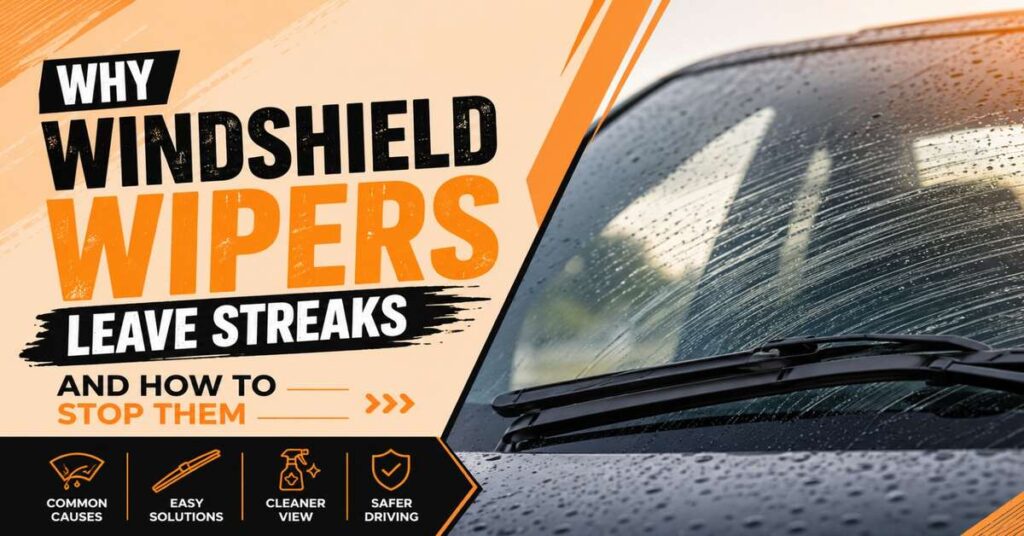
Why windshield wipers leave streaks and how to stop them comes down to one mechanical reality: the rubber blade is failing to maintain uniform pressure against the glass. This loss of contact is caused by rubber oxidation, trapped micro-debris, degraded wiper arm springs, or a stubborn buildup of oily road film. To stop the streaks, […]
Does a Bad Starter Drain the Battery?
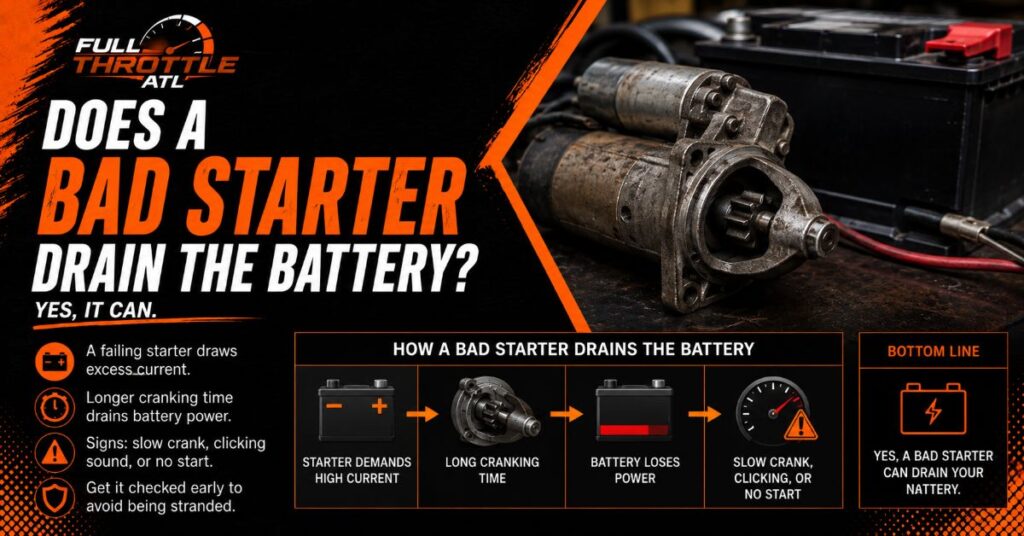
A bad starter can drain a car battery rapidly during ignition attempts or slowly over several days via an internal parasitic draw. When internal components bind or short, a failing starter motor draws excessive amperage—often double its normal operating current—draining chemical energy from the battery or collapsing its voltage in seconds. How Does a Failing […]
What Does Antifreeze Do for a Car?
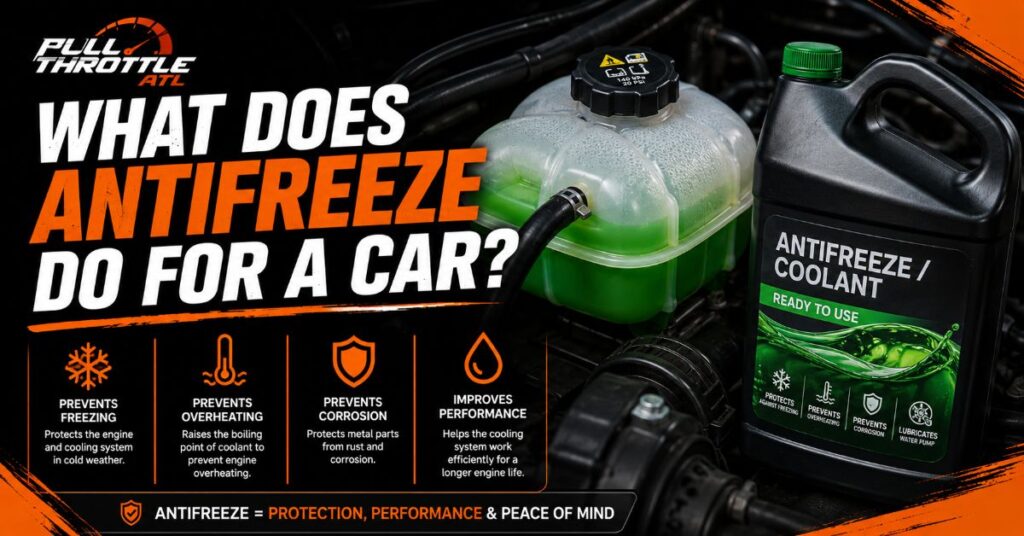
Antifreeze regulates an internal combustion engine’s operating temperature by lowering the freezing point and raising the boiling point of the cooling liquid circulating through the engine block. Combined with water, it prevents engine blocks from cracking in winter, prevents boil-overs in summer, and protects internal metallic components against rust and scale buildup. At a Glance […]