How to Professionally Clean Rubber and Carpet Car Floor Mats
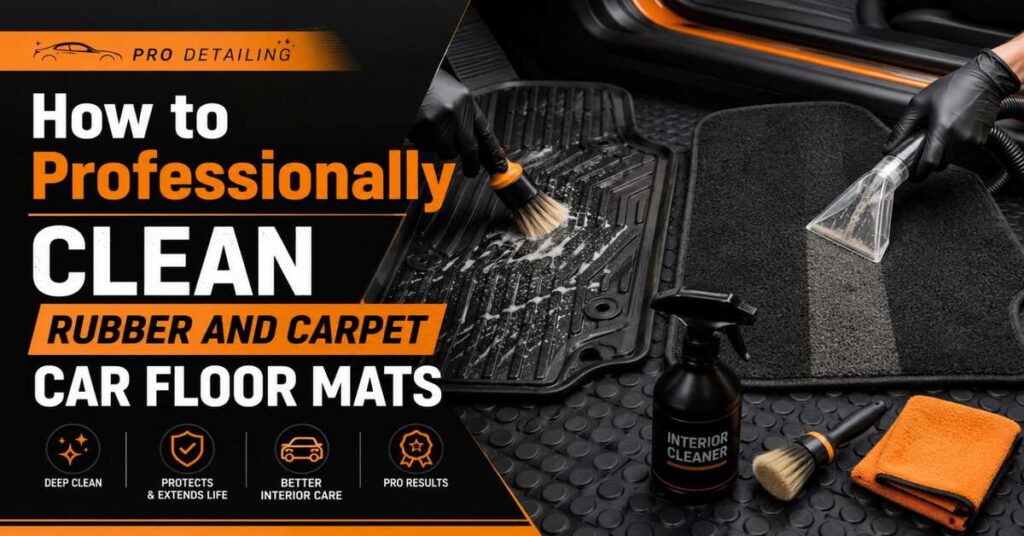
Professionally cleaning your vehicle’s mats transforms your interior and neutralizes deep-seated odors. By executing a strict sequence of dry soil removal, chemical agitation, targeted extraction, and force-drying, you can restore both rubber and carpet mats in under two hours. The primary factor determining success is maintaining precise moisture control during extraction to prevent fungal growth. […]
How to Tell If Lower Ball Joint Is Bad
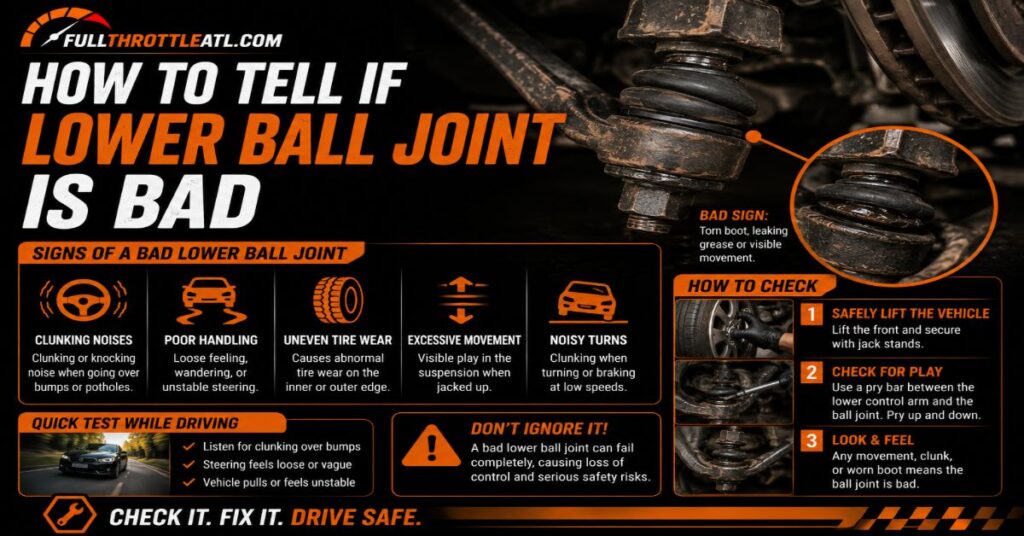
Determining if a lower ball joint is failing requires unloading vehicle suspension tension and testing for vertical and lateral play using manual rocking, a pry bar lever, or a precision dial indicator. This complete 6-step diagnostic process takes 30 to 45 minutes per side at an intermediate skill level, with precise load positioning serving as […]
How to Tell if Fuel Filter is Bad Using a Pressure Test
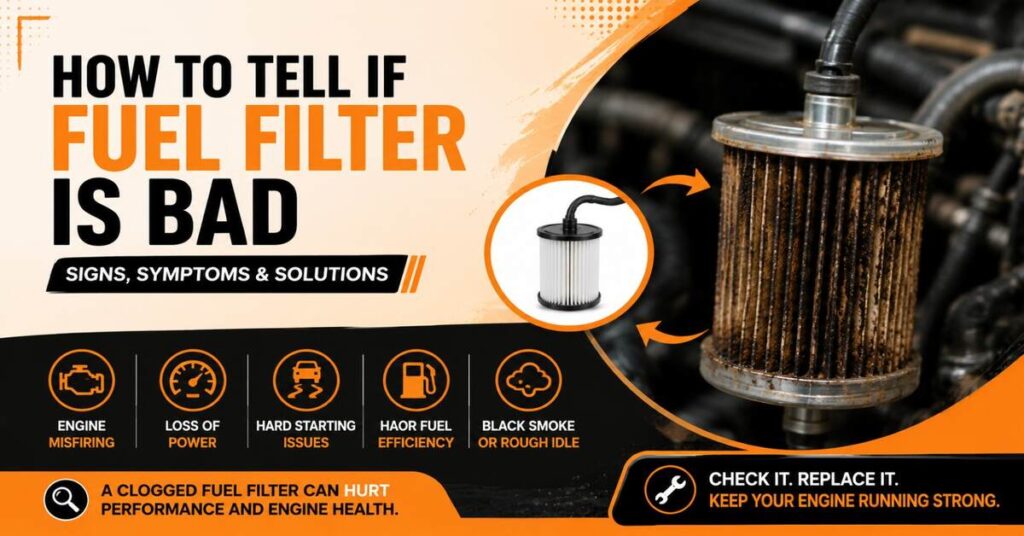
Wondering exactly how to tell if fuel filter is bad before replacing expensive parts? The most reliable diagnostic method is a manual fuel pressure test. In six straightforward steps, you will relieve system pressure, connect a diagnostic gauge, and test fuel flow under load to determine if a restriction is starving your engine. Phase 1: […]
What Are the Signs of Bad Ball Joints
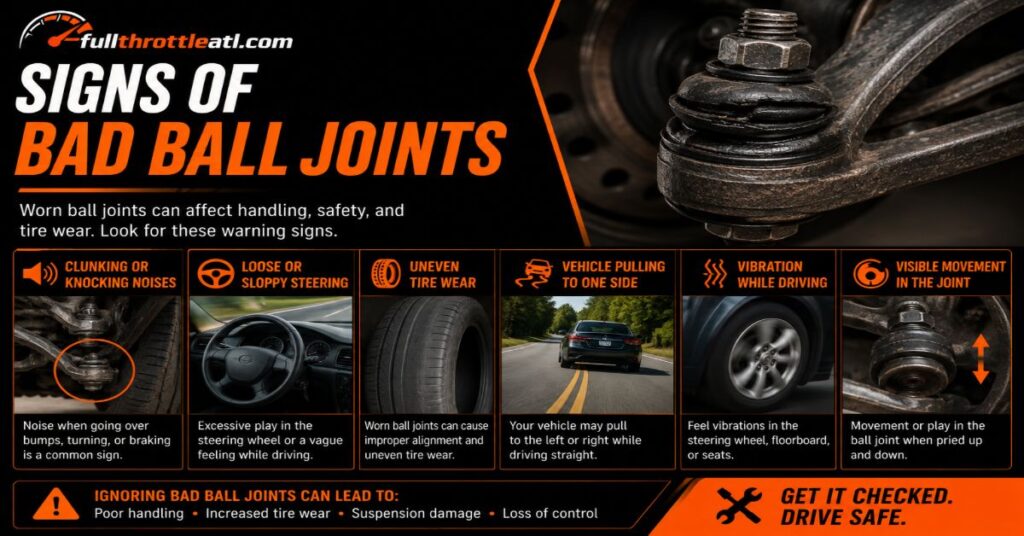
Bad ball joints typically manifest through uneven tire wear, metallic clunking noises, and loose or wandering steering. Ignoring these warning signs can lead to catastrophic suspension failure, where the wheel completely detaches from the vehicle while driving. Mechanics rely on precise physical measurements, specialized pry tests, and an understanding of suspension geometry to accurately diagnose […]
How to Tell if Fuel Filter is Clogged
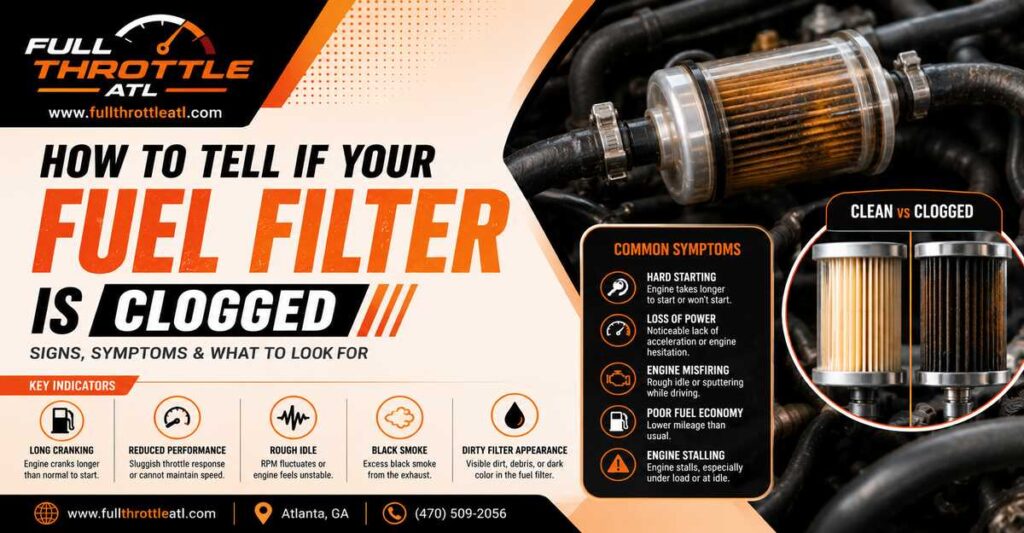
Diagnosing a restricted fuel filter requires verifying a lean fuel condition and testing line pressure against factory specifications. You will execute a static pressure test, a dynamic load test, and a physical blow test in roughly 60 minutes. Success depends entirely on accurately reading pressure fluctuations under engine load rather than just at idle. Before […]
What Are the Symptoms of Bad Ball Joints?
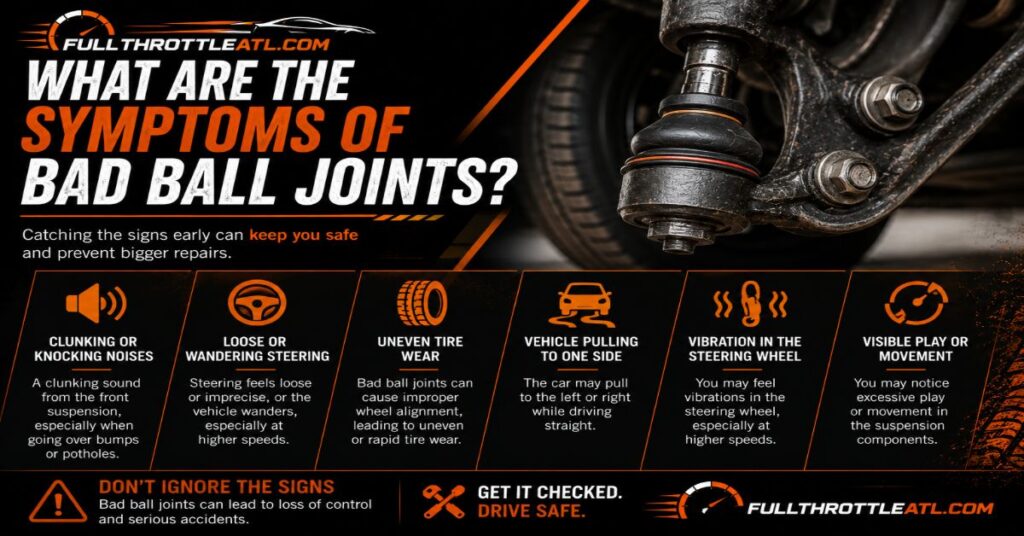
Bad ball joints typically cause metallic clunking noises, steering wander, and uneven tire wear. Because ball joints connect a vehicle steering knuckles to the control arms, their mechanical failure directly degrades both steering control and suspension alignment, posing a severe safety hazard if left unaddressed. At a Glance What Causes Metallic Clunking Noises in the […]
What Do Lower Ball Joints Do?
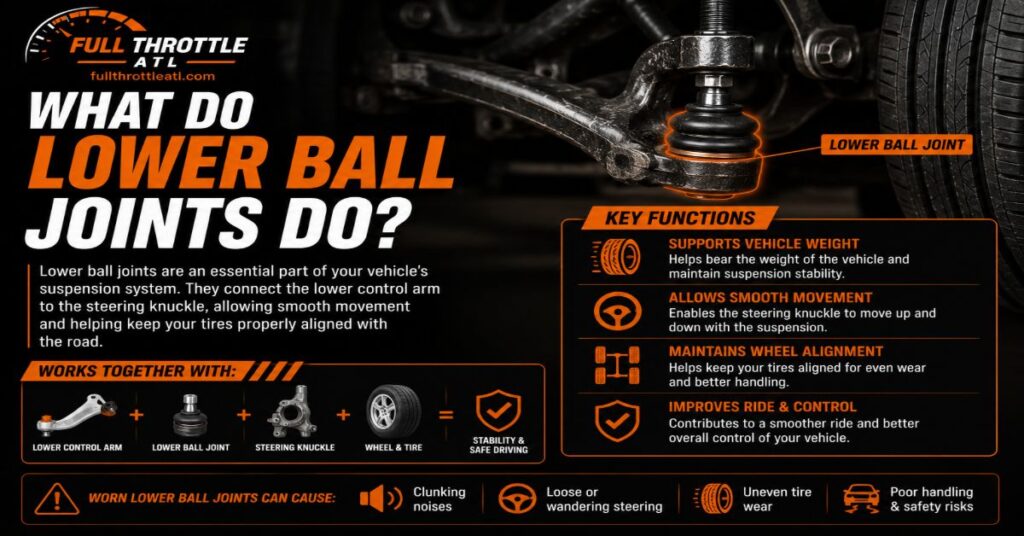
Lower ball joints act as the critical pivot points connecting a vehicle control arms to the steering knuckles. They bear the primary weight of the front end while simultaneously allowing the wheels to pivot for steering articulation and move vertically for suspension travel across uneven road surfaces. How Much Vehicle Weight Do Lower Ball Joints […]
What is the function of a ball joint?
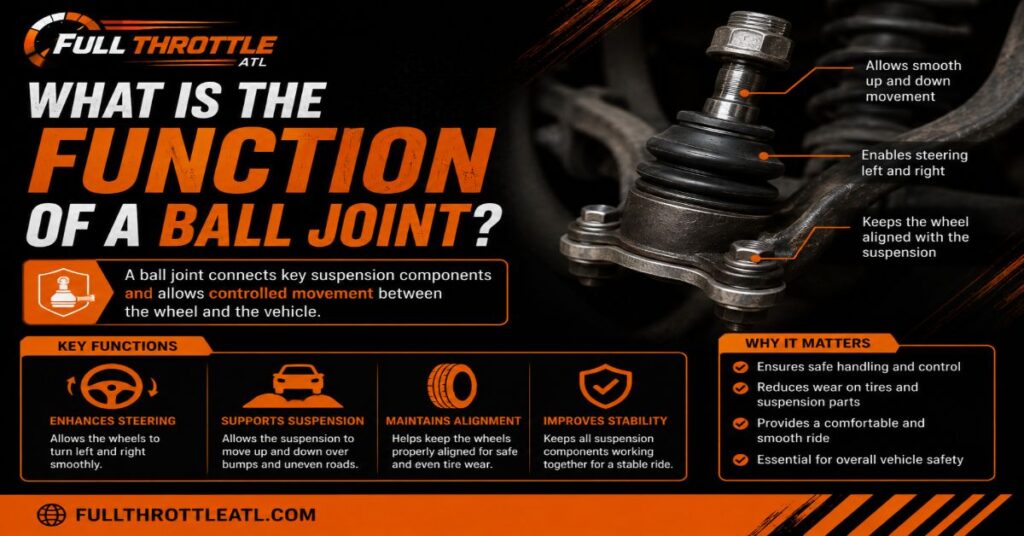
A ball joint acts as a mechanical pivot point connecting a vehicle control arm to the steering knuckle. The ball joint provides a spherical, rotating connection that allows the front wheels to steer horizontally while simultaneously moving vertically to absorb impacts from the road surface. At a Glance Where are ball joints located on a […]
What Is The Purpose Of A Ball Joint?
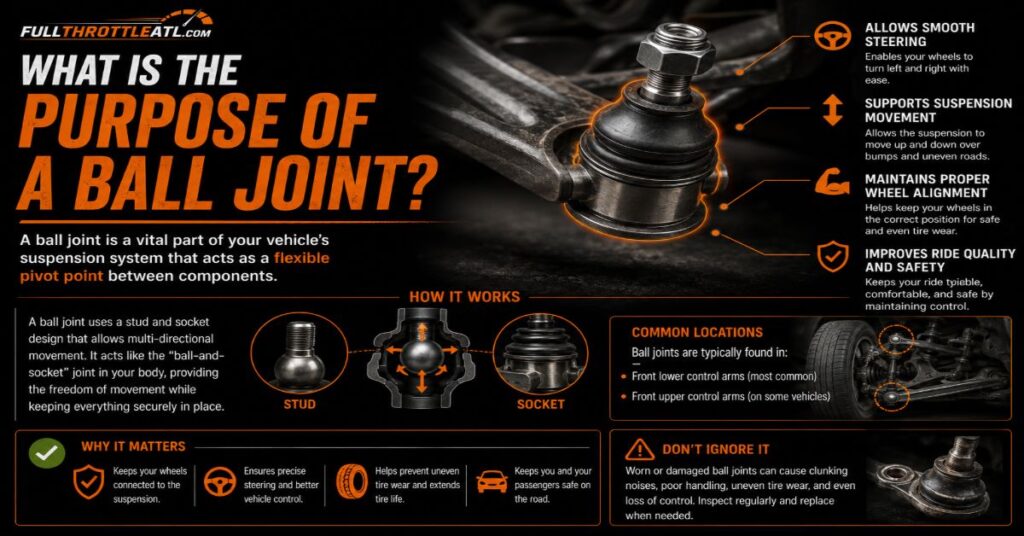
The primary purpose of a ball joint is to act as a flexible pivot point that connects a vehicle suspension control arm to the steering knuckle. This critical spherical bearing allows the front wheels to steer left and right while simultaneously moving up and down to absorb road impacts. At a Glance How does a […]
How Often Do Ball Joints Need to Be Replaced (And Exact Replacement Steps)
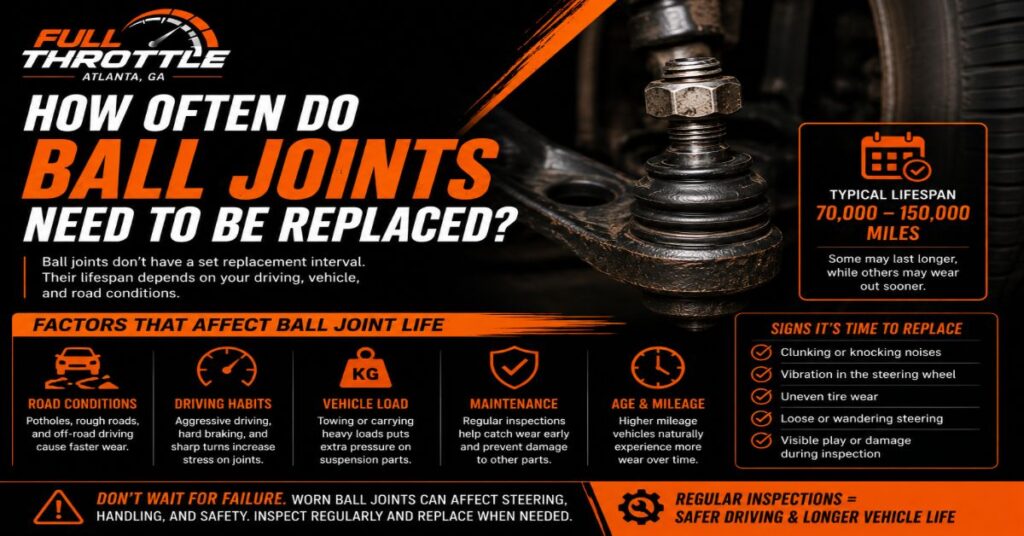
Ball joints typically require replacement every 70,000 to 150,000 miles depending on road conditions, vehicle weight, and driving habits. This comprehensive guide answers exactly how often do ball joints need to be replaced while walking you through the exact seven steps to perform the swap in your own garage. The single factor that most determines […]